
Best Time to Sell a House: Late Summer Insights
Discover the best time to sell a house in 2026, focusing on late summer trends and market dynamics that impact your selling strategy.
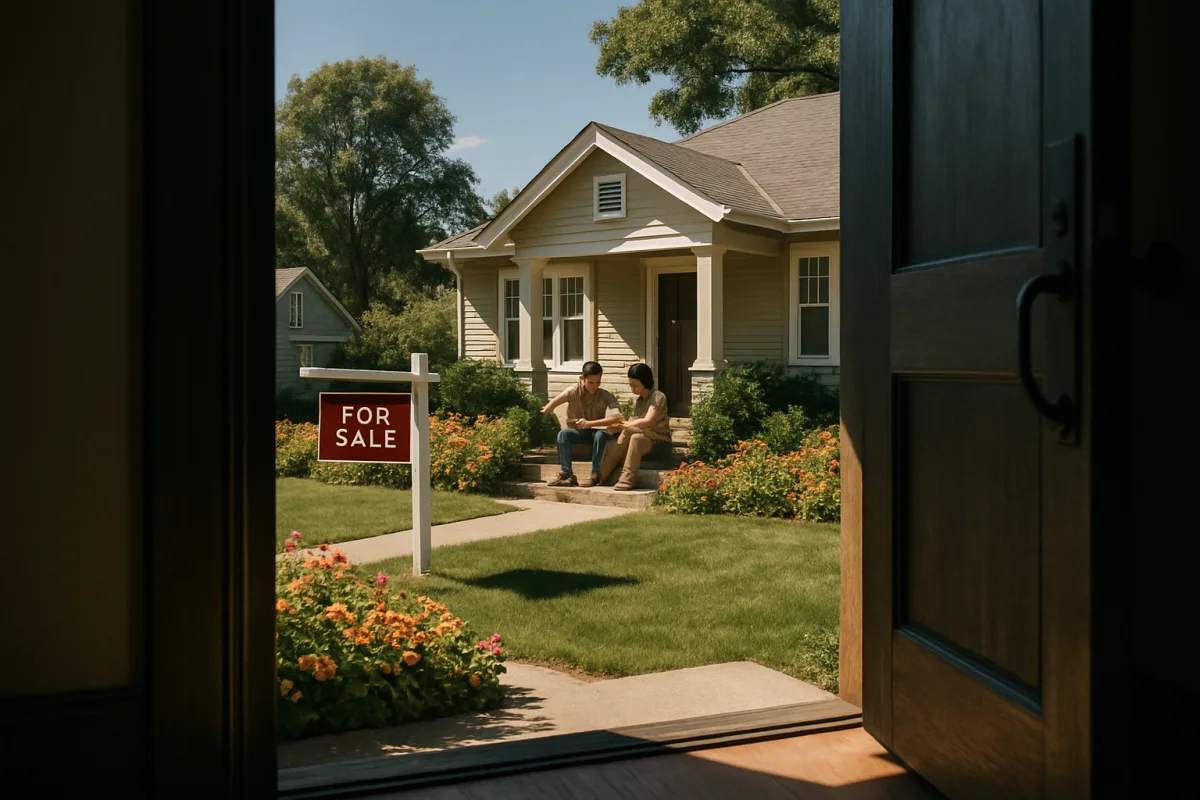
The Best Time to Sell a House: Analyzing Current Market Trends
As we navigate the housing market in 2026, a noticeable shift is occurring, challenging the traditional wisdom that spring is the optimal time to sell a house. While spring has historically been viewed as the prime selling season, current market dynamics suggest that late summer, particularly August, may present a favorable opportunity for sellers. This article will explore the evidence supporting this trend, the reasons behind it, and what potential sellers should consider as they plan their strategy.
Shifting Market Dynamics
The housing market has undergone significant changes in recent years, influenced by a combination of factors including fluctuating mortgage rates, inventory levels, and buyer demand. As of July 2026, the median home price in the United States reached $434,100, a modest 2% increase from the previous year, according to the Associated Press. This price increase, while not dramatic, is indicative of a market that remains resilient despite economic pressures.
However, regional variations tell a more nuanced story. For instance, Richmond, Virginia, saw home sales surge by approximately 10% in the first half of 2026, nearly double the statewide growth rate of 5.5%. Conversely, in Phoenix, Arizona, many areas experienced a decline in listing prices year-over-year, with 77% of ZIP codes reporting lower prices. Despite this, the median price for existing single-family homes in Phoenix rose by 0.7% to $477,700 in the second quarter of 2026, showcasing the complex interplay of local market forces.
Why the Shift to Late Summer?
Several factors contribute to the emergence of late summer as a potential selling sweet spot:
Increased Inventory: Inventory levels are approximately 13.6% below pre-pandemic levels, but active listings have increased by 4% year-over-year. This uptick in available homes can provide sellers with more competition, making it essential to stand out in the market. Additionally, the increase in inventory may encourage buyers who have been waiting on the sidelines to enter the market.
Stable Buyer Interest: Despite high mortgage rates, which have caused some buyers to hesitate, there remains a core group of motivated buyers eager to take advantage of current market conditions. This ongoing interest can translate to a higher likelihood of sales during late summer, when many families prefer to move before the start of the school year.
Changing Buyer Behavior: Traditionally, spring is seen as the pinnacle of buyer activity, with homes selling for 5-10% more than during winter months. However, the current environment suggests that summer may still yield high transaction volumes, as buyers adjust their timelines and preferences based on market availability and personal circumstances.
The Risks and Rewards of Selling in Late Summer
Planning to sell your home in late summer can offer distinct advantages, but it also comes with certain considerations. Sellers should approach this decision by weighing both the potential benefits and drawbacks.
Advantages
Less Competition: While spring may be the peak season, late summer can see a reduction in listings as some sellers pause their efforts until the fall. This decrease in competition can make your property more attractive, increasing your chances of a quicker sale.
Motivated Buyers: Families often aim to complete their moves before the school year begins, creating a sense of urgency among buyers. By timing your sale for late summer, you can capitalize on this motivation.
Considerations
Market Fluctuations: The current market remains volatile, influenced by external factors such as economic uncertainty and fluctuating mortgage rates. Sellers should be prepared for potential shifts that could affect buyer sentiment.
Pricing Strategy: Overpricing your home remains a common mistake that can deter potential buyers. In a market where inventory levels are still relatively low, setting a competitive price is crucial. Sellers should conduct a thorough market analysis, taking into account local conditions and comparable sales to determine an appropriate price point.
Closing Costs and Financial Considerations
Understanding the financial landscape of selling a home is equally important. Closing costs for sellers typically range from 1% to 10% of the sale price, with regional variations based on local market conditions. For example, in low-end markets such as the Midwest, sellers might expect to pay between $8,500 and $9,200 on a $400,000 home, while high-end markets like California and New York may see closing costs climb to between $14,800 and $16,500 on the same sale price. It’s essential for sellers to factor these costs into their overall financial planning.
Additionally, sellers should be aware of potential contingencies that can arise during the sale process. These may include home inspections, appraisal gaps, and buyer financing concerns, all of which can impact the final sale price and timeline. For instance, an appraisal gap occurs when a home appraises for less than the agreed-upon sale price, potentially requiring the seller to reduce their price or the buyer to secure additional financing.
Tips for Sellers
To maximize the potential for a successful sale, sellers should keep the following strategies in mind:
Enhance Curb Appeal: First impressions matter, so investing in landscaping, exterior paint, or minor repairs can make a significant difference in attracting buyers.
Prepare for Showings: Ensure your home is clean and clutter-free, allowing potential buyers to envision themselves living in the space.
Stay Informed: Keep abreast of local market trends and conditions to better understand how they may impact your sale.
Consult Professionals: While this article does not provide specific advice on whether to buy, sell, or refinance, consulting with real estate professionals can offer valuable insights tailored to your local market and individual circumstances.
Conclusion
Determining the best time to sell a house is a complex decision influenced by various market dynamics, regional conditions, and personal circumstances. As we move through 2026, the emerging trends suggest that late summer may provide a strategic opportunity for sellers, especially in light of increased inventory and stable buyer interest. However, it is crucial for sellers to remain vigilant about market fluctuations, pricing strategies, and the financial implications of selling. Ultimately, the right approach will depend on your unique situation, local market conditions, and the current economic landscape.
Frequently Asked Questions
What is the best time to sell a house in 2026?
Current market dynamics in 2026 suggest that late summer, particularly August, may be a favorable time for selling a house. This shift is influenced by increased inventory and stable buyer interest, contrasting with the traditional view that spring is the optimal selling season.
How do market trends affect the timing of selling a house?
Market trends, such as inventory levels, mortgage rates, and buyer demand, significantly influence the timing of selling a house. For example, the current environment shows increased inventory and motivated buyers, which can create opportunities for sellers to capitalize on market conditions.
Is late summer a good time to sell a house?
Yes, late summer can be a good time to sell a house due to reduced competition and motivated buyers, particularly families looking to move before the school year starts. Sellers may find that the combination of these factors enhances their chances of a quicker sale.
Sources
- US existing homes fall 1.7% in July as record prices, high mortgage rates stifle would be-buyers
- Report: Real estate inventory stabilizes pricing
- The Phoenix housing market is cooling off
- Exclusive: Richmond leads Virginia in 2026 home sales growth
- Average Days on Market: How Fast Are Homes Selling
- Best Time to Sell a House in 2026
- From Summer to Spring: A Shift in US Housing Market Seasonality
- It's a slow start to the spring home-buying season
- REMAX APRIL 2026 NATIONAL HOUSING REPORT - REMAX News
- ATTOM ANALYSIS FINDS SPRING REMAINS THE PRIME WINDOW FOR HOME SELLERS
- Average Seller Closing Costs in the United States 2026, LatestCost, Real-Time Price Insights
- Closing Costs for Seller Cost 2026: Price Ranges & Hidden Fees | Sellable | Sellable
- Closing Costs for Seller 2026: Everything You Need to Know | Sellable
- Is It a Good Time to Sell a House? 2026 Market Guide | Opendoor
- Fairfax County Active House Inventory Hits New High | Market Update August 18, 2026
- Why August 2026 Is the Best Time to Buy in St. Louis
- Best Time to Sell a House in 2026 | IDEAL AGENT
- Is August a Good Time to Buy or Sell a Home?, BHGRE Star Homes
- What is purchase season for home buying? | Opendoor
- When Is the Best Time to Buy a House? | Redfin
- How Seasonal Housing Price Trends Shape | PropertiesInc
- Best Time to Buy a House in 2026: Market Timing and Seasonal Trends | Rate Direct
- The Best Time to Buy a Home in Palm Beach County (2026 Seasonal Guide) - The Cahur Group
- 7 Home Selling Mistakes and How to Avoid Them | Redfin
- 9 Expensive Mistakes Every Home Seller Should Avoid | Opendoor
- Common Home Showing Mistakes Sellers Make - REMAX Blog
- Home Sellers: Common Mistakes That Can Lower Your Sale
- Does Machine Learning Amplify Pricing Errors in the Housing Market? -- The Economics of Machine Learning Feedback Loops
- With the Fed Rate Cut, Should You Sell Your House Now or Wait?
Related Articles
Best Time to List Your Home: Seasonal and Regional Insights
Discover the best time to list your home, including seasonal trends and regional variations to maximize sale price and buyer interest.
How to Sell a House Fast: Proven Strategies for Quick Sales
Learn how to sell a house fast with pricing tips, pre-listing inspections, and marketing strategies to close quickly in any market.
Best Time to Buy a House in 2026
Discover the best time to buy a house in 2026 with insights on seasonal trends, mortgage rates, and market conditions to help you plan your purchase.
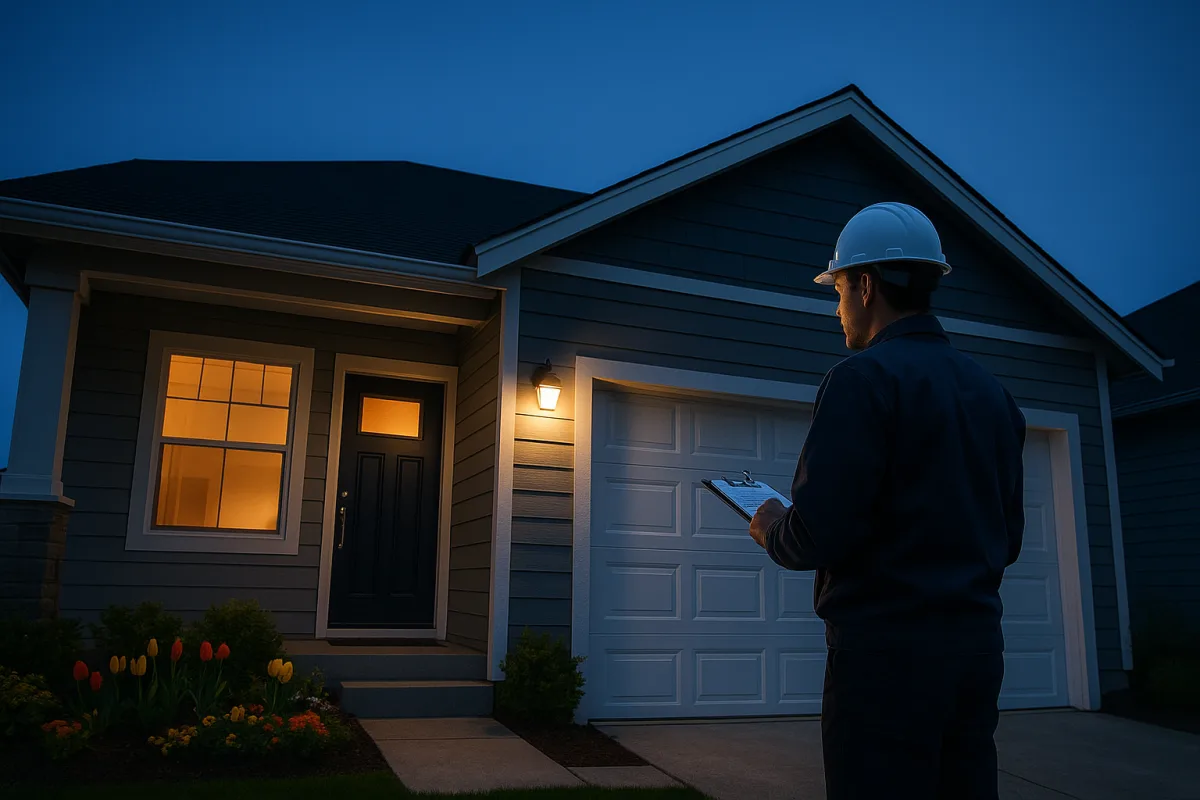
Increase Home Value Before Selling
Learn how to increase home value before selling with smart repairs, exterior upgrades, and budgeting tips for the best return on investment.