
What to Look for in a Home Inspection: Key Insights
Learn what to look for in a home inspection, focusing on structural systems, red flags, and tips for luxury properties.
What to Look for in a Home Inspection: Understanding Structural Systems
When you're diving into the luxury real estate market, a home inspection is an essential step that can help you avoid potential pitfalls. While many buyers might feel overwhelmed by the home inspection process, understanding one key component, structural systems, can shed light on the mechanics of what makes a property sound or potentially problematic.
The Importance of Structural Systems
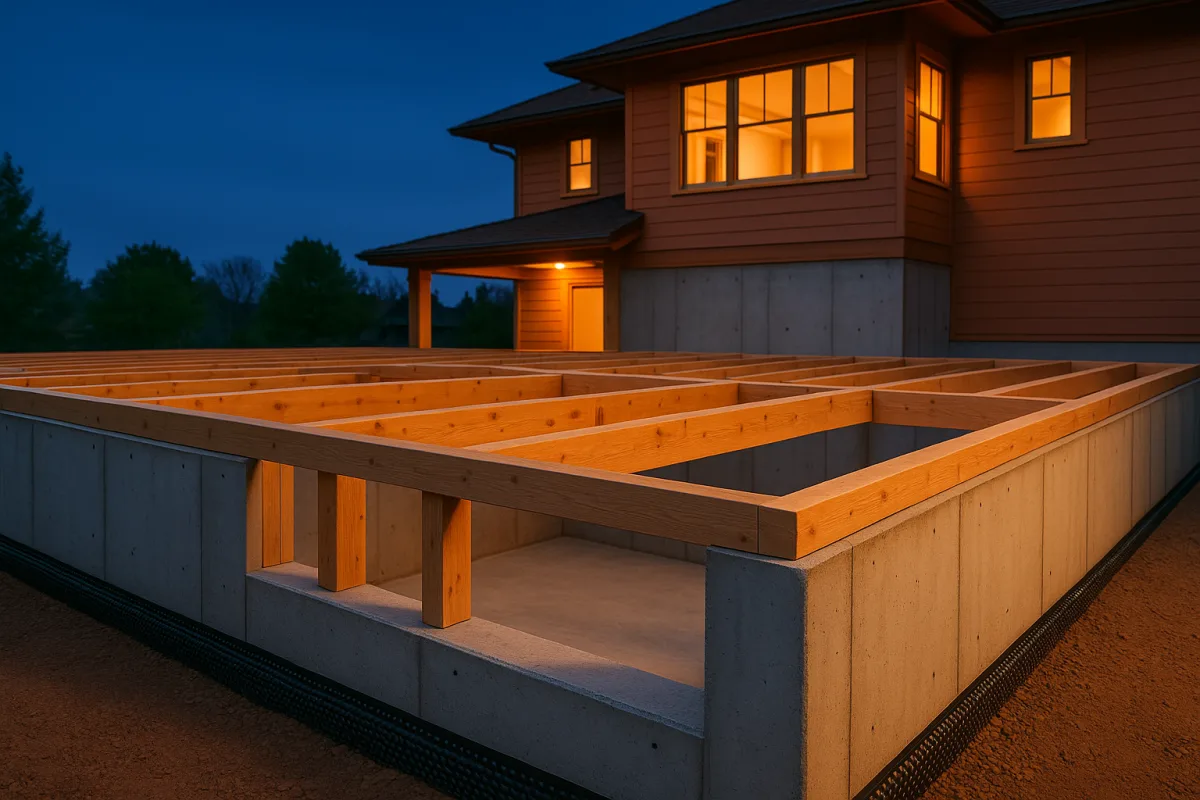
Structural systems are the backbone of any home. They include the foundation, framing, and any basement or crawl space. The integrity of these systems is crucial not only for the safety of the occupants but also for the long-term value of the property.
Foundation: The foundation is the most critical aspect of a home’s structural system. A compromised foundation can lead to significant issues like uneven floors, structural instability, and even potential collapse. Inspectors will look for cracks, signs of settling, and moisture intrusion, common indicators of foundation problems. In luxury properties, where custom features and unique landscapes may alter the foundation's integrity, a detailed examination is particularly necessary.
Framing: The framing system supports the entire structure and dictates how loads are transferred through the building. Inspectors examine the walls, beams, and roof trusses for signs of damage, mold, or pest infestations. In luxury homes, the framing may also incorporate custom elements that require specialized knowledge to assess properly.
Basement/Crawl Space: The condition of the basement or crawl space is often overlooked but can reveal vital information about the home’s overall health. Inspectors typically check for moisture issues, which could lead to mold growth, and assess insulation, ventilation, and the presence of pests. In areas with high humidity, this inspection is particularly crucial, as moisture damage can escalate quickly and lead to costly repairs.
The Cost of a Home Inspection
Understanding the financial aspect of a home inspection is critical for buyers. As of 2026, the national average cost of a standard home inspection is reported as $343, but this figure can vary significantly based on regional market conditions. In high-cost areas, fees can be 50-100% higher, potentially reaching between $450 and $700 for luxury homes.
Additionally, if specialized inspections are necessary, such as for radon, mold, or termite infestations, these can add to the overall cost. For example, a mold inspection may range from $300 to $1,000, depending on the size of the home and the extent of the inspection required.
Duration and Detail of Inspections
Typically, a home inspection lasts between 2 to 4 hours, depending on the size and age of the property as well as the thoroughness of the inspector. In luxury homes, where custom features may require additional scrutiny, expect the inspection to take longer. A skilled inspector will take their time to ensure that every aspect of the structural system is examined in detail, which can save buyers from future headaches.
Common Red Flags in Structural Systems
During a home inspection, certain red flags can indicate underlying problems with the structural systems:
Cracks in the Foundation: Small cracks may not be a cause for concern, but large, horizontal cracks or visible signs of settling can indicate serious issues.
Uneven Floors: If a professional observes uneven or sloping floors, this could point to foundation issues or inadequate support.
Moisture Damage: Water stains or signs of mold in the basement or crawl space can indicate a moisture intrusion problem, which can compromise structural integrity.
Pest Infestations: Signs of pests, such as termites, can lead to significant structural damage. Inspectors will look for droppings or exit holes in wood components.
The Age of the Home Matters
The age of a property plays a crucial role in the inspection process. Older homes may exhibit outdated systems, such as electrical wiring that doesn't meet modern standards or plumbing that is prone to leaks. Conversely, newer homes can have construction defects, unpermitted work, or code violations that may not be immediately apparent.
For instance, older homes constructed with materials like knob-and-tube wiring may pose safety hazards, while newer luxury homes may have cutting-edge features that require specialized knowledge to assess adequately.
The Impact of Location and Climate
The geographical location and climate conditions of a home can significantly affect its structural systems. For example, homes in humid areas may experience moisture issues that lead to mold growth, while those in drier climates may face challenges related to structural movement due to soil conditions. Inspectors should be aware of these factors when evaluating a property, as they can influence the inspection's outcome.
Specialized Assessments for Luxury Homes
Given the unique features often found in luxury properties, standard inspection checklists may not cover everything a buyer should know. Custom homes may require specialized assessments conducted by professionals with expertise in specific areas, such as advanced HVAC systems or intricate architectural designs. Buyers should be proactive and ensure that their inspector is equipped to handle unique features that could affect the home's integrity.
Conclusion: The Right Approach to Home Inspections
When navigating the luxury real estate market, understanding the intricacies of a home inspection, particularly the structural systems, can help buyers make informed decisions and avoid costly issues down the line. While the average cost of a home inspection hovers around $343, it's essential to account for regional variations and the potential need for specialized inspections.
Ultimately, an informed buyer will consider the age of the home, potential red flags, and the specific features of luxury properties. Consulting with a qualified home inspector who understands the nuances of luxury real estate can provide invaluable insights and peace of mind. Remember, the right answer depends on your specific situation, including the property's location, condition, and your long-term goals. Always approach these decisions with care, and remember that I am not a licensed agent, lender, or advisor, rather, I aim to provide clear, factual information to guide your journey.
Frequently Asked Questions
What should I check during a home inspection?
During a home inspection, key components to check include structural systems such as the foundation, framing, and basement or crawl space. Inspectors will also evaluate roofing, plumbing, electrical systems, HVAC, and the overall condition of the interior and exterior of the home.
What are common red flags in a home inspection?
Common red flags during a home inspection include large cracks in the foundation, uneven floors, signs of moisture damage like water stains or mold, and evidence of pest infestations. These issues can indicate serious underlying problems that may affect the safety and value of the property.
How does the age of a home affect the inspection process?
The age of a home significantly impacts the inspection process, as older homes may have outdated systems and structural concerns. Conversely, newer homes might present construction defects or unpermitted work that can be less visible but equally problematic.
Sources
- Home Inspection Checklist, System by System
- Home Inspection Checklist- What's Found on Typical Home Inspection
- How Much Does a Home Inspection Cost? Averages and Add-Ons - LegalClarity
- How Much Does a Home Inspection Cost? (2026 Price Guide) | Learn | Dwely.ai
- How Much Does Home Inspection Cost? (2026 Guide) | CostWhale
- Home Inspection Cost: 2026 Pricing Guide & Cost Factors | HouseProbe
- How Long Does a Home Inspection Take? | Redfin
- How Long a Home Inspection Takes, Hour by Hour - InspectandTest
- 5 Home Inspection Red Flags, According to a Redfin Agent | Redfin
- 10 Home Inspection Red Flags Buyers Must Know - Villa Home Inspections
- The 7 Red Flags You Only See in a Luxury LA Home - IM Home Inspections
- Luxury Property Inspections: What Affluent Buyers Must Do - Inmobiliaria Costa Cambrils
- Home Inspection: 5 Common Red Flags
- Luxury Home Inspection Checklist for Serious Buyers - EGA Home Inspection
- Florida 4-Point Inspection, Buyer Guide
- Inspection of Luxury Properties - Scottsdale Home Inspections
- What Buyers Should Inspect Beyond Aesthetics When Touring Luxury Homes - Urban Splatter
- Luxury Home Inspection Guide | Own Luxury Homes®
- Luxury Inspections - Super Inspector | Texas Home Inspection Company
- Luxury Home Inspections South Florida | TruView Inspections
- Luxury Home Inspections in the Tampa Bay Area • Schedule Today
- Property, Roof, & Home Inspections | Precision Property Inspections
- What to Expect During a Professional Foundation Inspection (Step-by-Step) - ISTA Engineers
- Elevate Inspections, How Climate Change Is Impacting Home Inspections
- How Mid-South Climate Impacts Home Inspections - Upchurch Inspection
- How Portland's Climate Affects What Home Inspectors Find - Trusted Home Inspections
- Scottsdale Luxury Home Inspection, Desert State Home Inspections
Related Articles

Choose the Right Home Inspector: Essential Buyer’s Checklist
Learn how to choose the right home inspector with tips on qualifications, costs, insurance, and what to ask before booking your inspection.
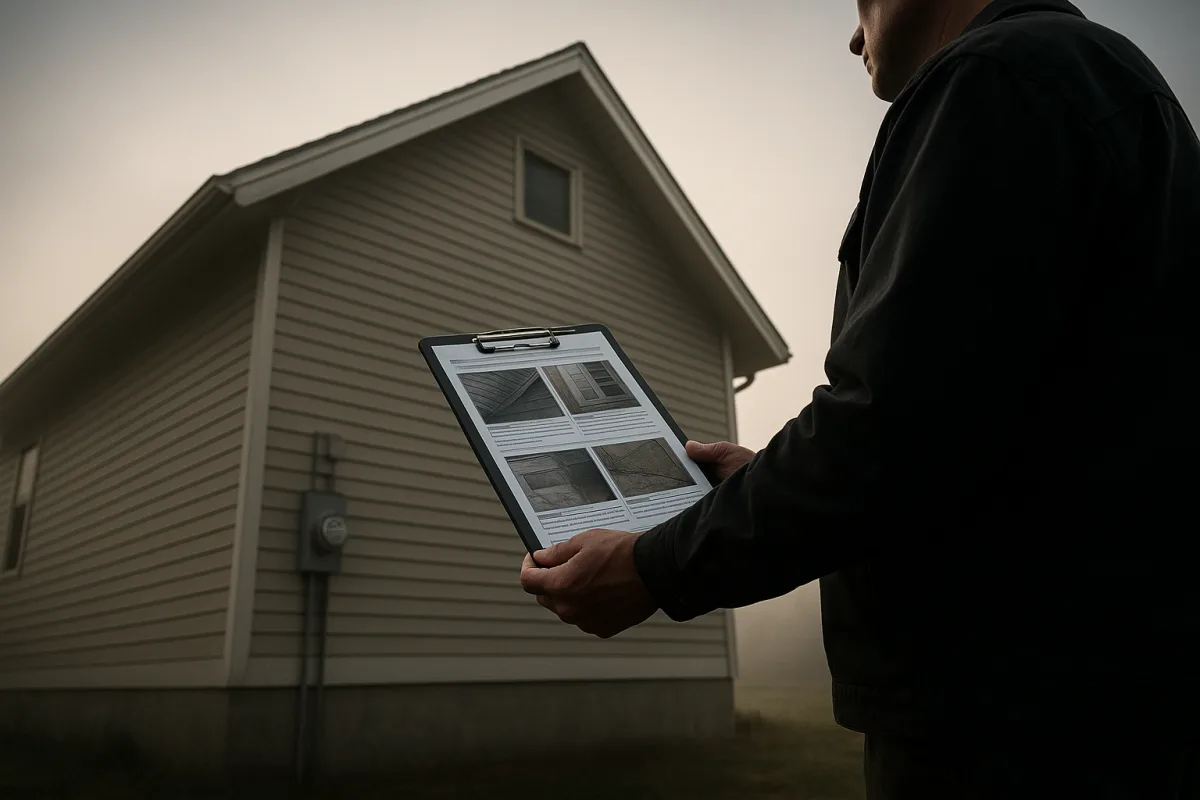
How to Find a Good Home Inspector: Tips and Licensing Info
Learn how to find a good home inspector by verifying licenses, comparing costs, and reviewing sample reports before hiring.
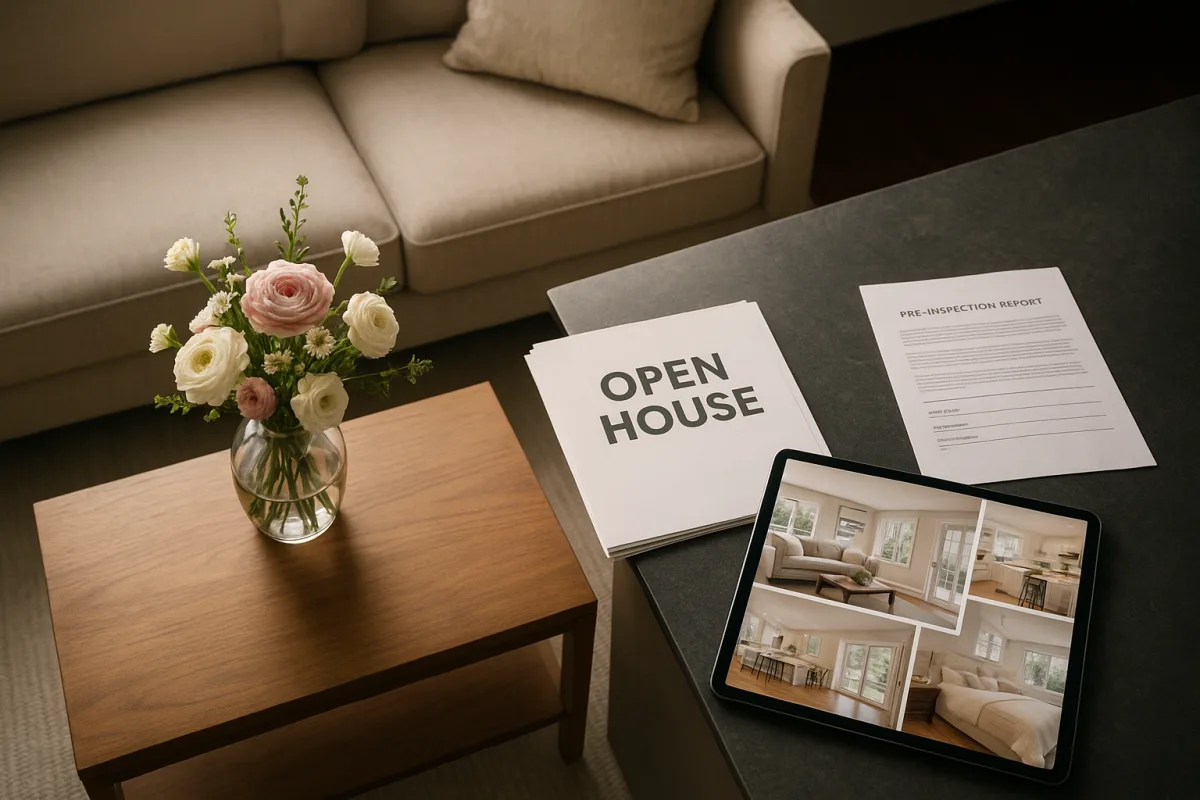
How to Sell a House Fast: Proven Strategies for Quick Sales
Learn how to sell a house fast with pricing tips, pre-listing inspections, and marketing strategies to close quickly in any market.
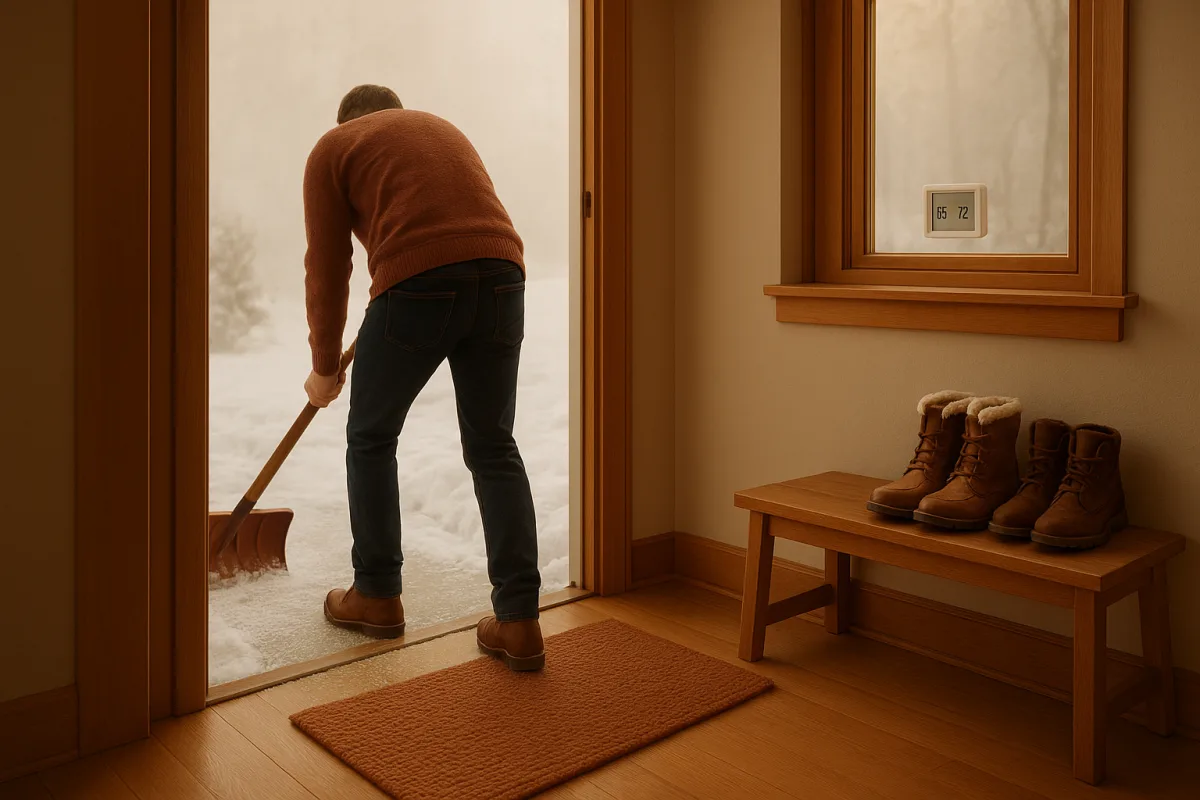
Prepare for a Home Showing During Winter: Essential Tips
Learn how to prepare for a home showing during winter with tips on snow removal, thermostat settings, and managing wet boots for a safe, inviting visit.