
Increase Home Value Before Selling
Learn how to increase home value before selling with smart repairs, exterior upgrades, and budgeting tips for the best return on investment.
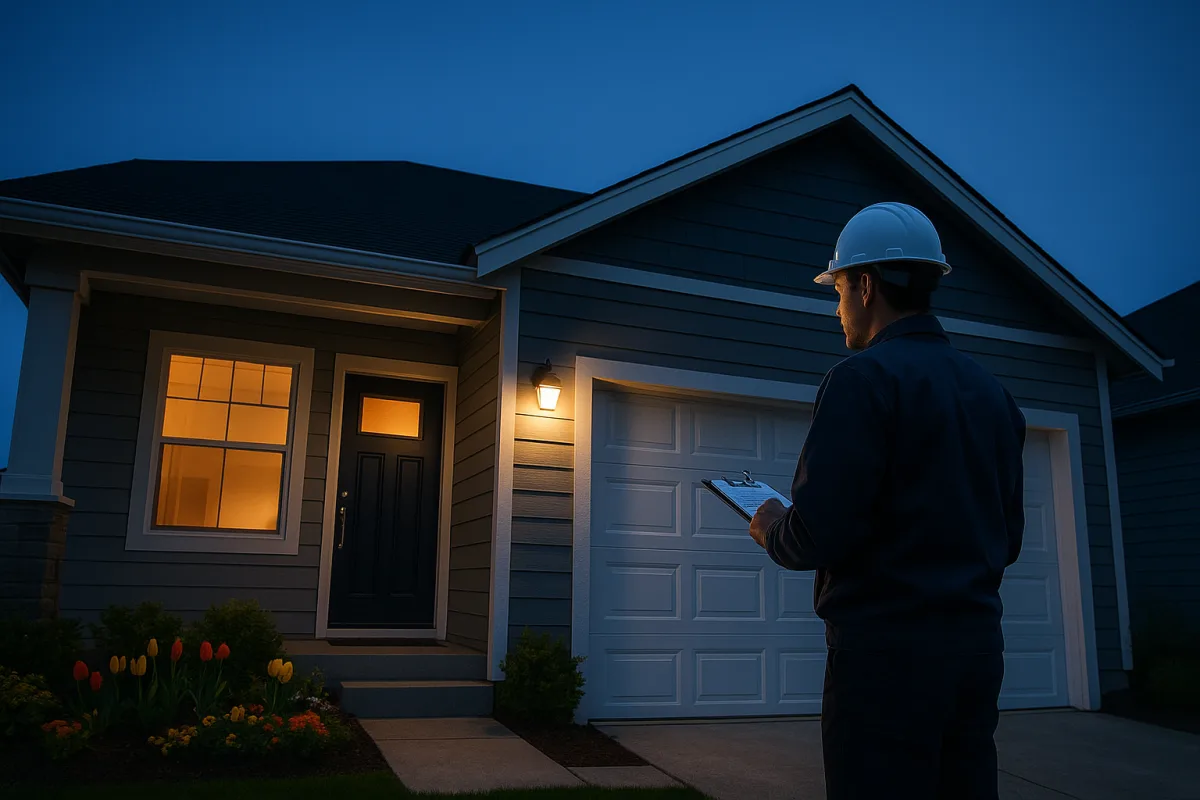
Start with the number you cannot afford to lose
Before choosing paint colors or ordering a door, establish a maximum pre-sale budget. A commonly cited guardrail is keeping improvements under 10% of the home’s value, particularly because extensive upgrades can outpace what nearby buyers will pay. [5]
For a $400,000 home, that ceiling would be $40,000. It is not a target, and it is not permission to spend $40,000. It is a warning line, especially if your house already compares well with nearby listings.
Also separate improvement spending from selling expenses. Seller closing costs average roughly 1% to 3% of the sale price, or about $4,000 to $12,000 on a $400,000 sale, before any improvement budget is considered. [3]
That distinction matters because a project with a strong reported ROI may still leave less net proceeds if it forces you to borrow, delays the listing, or creates a repair issue during contract negotiations. Published ROI is a broad comparison tool, not a settlement-statement prediction.
I am not a licensed agent, lender, appraiser, contractor, or financial adviser. A local agent or appraiser can compare your planned work against recent sales, while licensed tradespeople can price repairs and confirm permit requirements.
Fix the defects that can derail a buyer’s inspection
The first dollars should usually go toward visible maintenance, safety issues, and defects likely to show up during a buyer’s inspection. Major plumbing faults, electrical-panel problems, and foundation repairs may return only about 70% to 100% of cost, but they can be necessary to prevent a deal from collapsing. [5]
That is different from chasing a cosmetic return. A buyer who sees an aging water heater, a leaking fixture, or an obviously damaged garage door may assume there are larger deferred-maintenance problems behind the walls.
A water-heater replacement is generally described as a moderate-return repair, recovering about 60% to 70% of cost. HVAC replacement is also a moderate-return category, at roughly 50% to 75%, yet both can matter when a system’s condition becomes a contract issue. [5]
Do not confuse “low ROI” with “skip it.” A necessary repair can protect the transaction even when it does not produce a dollar-for-dollar increase in price. The relevant question is whether leaving it unresolved invites a credit request, price cut, or closing delay.
Unpermitted work deserves special caution. Pre-sale renovation mistakes commonly include incomplete permits, neglected safety or code items, and work that does not match buyer expectations. [9][10] Fixing a permit problem after a buyer raises it can cost time when your closing date is already on the contract.
Spend on the exterior before rebuilding the interior
The strongest national 2026 ROI figures in the research brief are concentrated outside the home. Garage-door replacement is estimated to cost about $4,500 and add roughly $12,100 to $12,526 in value, a reported ROI around 268%. [1]
That percentage is not a guarantee that every $4,500 door creates a $12,500 higher contract price. It means the national study’s estimated value contribution exceeded the typical project cost. In a 150% ROI market, the result is materially different from a 300% ROI market. [7]
A steel entry-door replacement is another comparatively contained project. The typical cost is about $2,435, with an estimated $5,270 value contribution and a reported 216% ROI. [1] It suits sellers whose existing front door looks worn, damaged, or inconsistent with an otherwise maintained exterior.
Manufactured stone veneer carries a larger price tag, about $11,000, but the 2026 estimate puts its value contribution near $22,880, or roughly 208% ROI. [1] It is most relevant where stone-front homes are already common, rather than as a way to make one house conspicuously more expensive than its neighbors.
Landscaping refreshes, exterior painting, and hardware updates can also be high-return work, with estimates ranging from 100% to 300%. [5] But those returns vary by region and neighborhood tier, with starter-home suburbs often showing stronger results. [7]
Match exterior work to the selling season. Spring and summer give landscaping, paint, and curb-appeal projects their best chance to register with buyers, while fall and winter may favor energy-related work such as insulation or heating improvements. [6][8]
Be disciplined in the kitchen and bathroom
The kitchen is where sellers most often spend beyond the likely return. The evidence is notably inconsistent even for a “minor” kitchen remodel, which is a reason to define the scope before signing a contract.
Opendoor’s 2026 figures put a minor kitchen remodel at $28,458, with $32,141 in value added and a 113% ROI. [1] Remodeling Magazine’s 2026 figure, cited in the research brief, estimates a similarly labeled midrange minor project at $28,000 but only $22,400 in added value, or 80% ROI.
Those are not small differences. They likely reflect differing definitions, markets, and project assumptions. A seller should not use the higher figure to justify new cabinets, layout changes, or premium appliances without checking what comparable homes in the immediate area actually offer.
The consistent message is that minor work tends to outperform major kitchen reconstruction. Major kitchen remodels are reported around 50% to 63% ROI, depending on the dataset, and they add scheduling risk when contractors, materials, and permits are involved. [1]
A midrange bathroom remodel has a similar limitation. It is estimated at $26,138, adding about $20,910 in value, for an ROI around 74% to 80%. [1] That may make sense for a dated or damaged bathroom, but it is not evidence that a luxury bath will produce a luxury sale price.
If the room is basically functional, targeted refreshes can be more defensible than moving plumbing or changing the layout. The research identifies fixture and hardware updates, interior paint, and basic landscaping among the repairs that can return 100% to 300%. [5]
Work backward from photography day
A pre-sale plan works better when the disruptive work ends before the home is marketed. Home-selling timeline guidance recommends allowing six to 12 months for major maintenance planning, particularly when you may need permits or specialist contractors. [2][3]
Use the four to eight weeks before listing for strategic repairs and for decisions that need local input. This is the point to compare bids, complete agreed work, and avoid adding projects that cannot be finished cleanly. [2]
Reserve the final three to six weeks for decluttering, deep cleaning, and curb-appeal refreshes. [2][3] That sequence matters because a newly painted room still photographs poorly if it is crowded, dirty, or filled with personalized items.
In the last one to two weeks, stage the home and schedule professional photography. [2][3] Reported staging costs range from about $800 to $2,800 and may increase sale price by 1% to 5%, although the boost is modest and varies by market. [15]
The last one to two days should be for final touches rather than new projects. [3] A rushed renovation can create exactly the kind of unfinished work, missing receipts, or visible defects that prompt buyer questions.
Use an inspection to control the repair conversation
A pre-listing inspection costs about $425 nationally, with a reported range of $350 to $800 depending on region. [14] Optional tests can add roughly $75 to $300 each. [14] That is an upfront cost, not a value-adding renovation.
Its practical value is timing. You can learn about defects before a buyer is waiting, decide which repairs to complete, collect documentation, and avoid discovering a material issue midway through the buyer’s inspection contingency. [14]
A pre-listing inspection does not eliminate a buyer’s right to inspect or renegotiate. It may, however, reduce the chance that you are forced to find contractors quickly, accept an uncertain repair credit, or extend a closing because a surprise defect emerged.
Keep receipts, permits, warranties, and contractor information for completed work. That does not prove a particular price increase, but it helps answer buyer questions about what was done and whether the work was properly handled.
Do not confuse improvement ROI with mortgage or appraisal mechanics
The research does not provide direct evidence that a particular improvement changes mortgage approval, escrow requirements, or appraised value by a predictable amount. It also does not establish how seller improvement choices interact with specific loan programs. That gap matters.
An appraiser generally looks to comparable sales and market-supported features, not your invoices alone. If your $28,000 kitchen project makes the house notably nicer than nearby sold homes, the appraisal may not recognize the full cost, even if buyers like it.
That can become expensive when a buyer is financing and the appraisal comes in below the contract price. The possible responses depend on the contract, including a price reduction, buyer cash, a challenge to the appraisal, or termination under an appraisal contingency.
For that reason, do not select a project solely because a national ROI table looks attractive. Compare the work against nearby listings, assess the condition buyers will see, and account for the time needed to finish before your intended listing date.
Over-improving, ignoring essential repairs, neglecting curb appeal, overpricing, and underestimating time are recurring seller mistakes identified in 2026 selling guidance. [9][10][11] The financially careful move is often the least dramatic one: repair what is wrong, improve what buyers see first, and avoid building a house your local market cannot support.
Frequently Asked Questions
What home improvements increase home value before selling?
The most cost-effective improvements tend to be exterior projects such as garage-door replacement and steel entry-door replacement, which can yield ROIs above 200%. Manufactured stone veneer and minor kitchen or midrange bathroom remodels also add value but often with lower ROI. Essential repairs that address visible defects and safety issues should be prioritized to avoid deal delays.
How much should I spend to increase home value before selling?
A common guideline is to keep pre-sale improvement costs below about 10% of the home's value to avoid over-improving for the neighborhood. For example, on a $400,000 home, this would be roughly $40,000 as a ceiling, not a target. Spending beyond this can risk diminishing returns and potential delays.
Which repairs have the best ROI before selling a home?
Garage-door replacement has one of the highest ROIs nationally, estimated around 194% to 268%. Steel entry-door replacement and manufactured stone veneer also show strong returns above 200%. Interior painting, landscaping refresh, and fixture or hardware updates typically yield ROIs between 100% and 300%. Moderate ROI repairs include water heater and HVAC replacements.
When is the best time to do exterior upgrades before selling?
Curb appeal work is most effective when done in spring or summer. The final one to two weeks before listing should be reserved for staging and professional photography rather than starting disruptive exterior projects, to present the home at its best.
Should I get a pre-listing inspection to increase home value?
A pre-listing inspection can be beneficial if you want time to address defects on your terms before buyers’ inspections. The national average cost is about $425, with regional prices ranging from $350 to $800. This approach may help avoid renegotiations and closing delays caused by unexpected repair requests.
How we researched this
This article was assembled from 15 cited references.
Nothing here is based on hands-on testing. Where a figure or finding appears, it belongs to the source cited beside it, and the writing says so rather than implying otherwise. Every source is listed below so you can check it.
Sources
- Which Home Improvements Increase Value Most? ROI Rankings for 2026 | Opendoor
- What’s the Best Timeline to Prepare Your Home to Sell? | Home Compass
- Selling Your Home: Step-by-Step Timeline 2026 | The Realtor Rankings
- Expected Timeline for Selling a House | Redfin
- The 7 Smartest Home Upgrades Before Selling in 2026
- 7 Exterior Home Upgrades That Actually Increase Property Value in 2026 • Exploring the North
- Curb Appeal ROI: Which Upgrades Pay Off in Your Neighborhood Type | HomeEstimates
- Exterior Home Improvement Ideas for 2026 | Renew My Home
- Top Mistakes Fixing Homes Before Selling (… | HouseGoodbye Blog
- 10 Mistakes to Avoid When Selling Your Home | Zillow
- Why is it taking so long to sell my home? How to boost chances of getting an offer
- Should You Renovate Before Selling? | Handyman Jacks
- How to Relist Your Home After a Sale Falls Through: What to Change on Price, Agent and Home Issues
- Pre-Listing Home Inspection in 2026: The Seller's Secret Weapon to Avoid Repair Renegotiation | My Home Advisor
- Common Home Showing Mistakes Sellers Make - REMAX Blog
Related Articles
Improve Curb Appeal on a Budget
Learn how to improve curb appeal on a budget with practical, affordable tips to boost your home's exterior before selling.
Home Repairs Before Selling: Prioritize and Budget Smartly
Learn how to prioritize and budget home repairs before selling to attract buyers and avoid costly concessions.

How to Sell a House Fast: Proven Strategies for Quick Sales
Learn how to sell a house fast with pricing tips, pre-listing inspections, and marketing strategies to close quickly in any market.

Improve Credit Score for Mortgage: Steps to Boost Your Score
Learn how to improve credit score for mortgage approval with proven steps, timelines, and tips to lower your mortgage rate.