
Home Energy Efficiency Improvements: Cost-Effective Tips
Learn how to improve home energy efficiency with audits, air sealing, insulation, and smart upgrades that save money and reduce energy use.
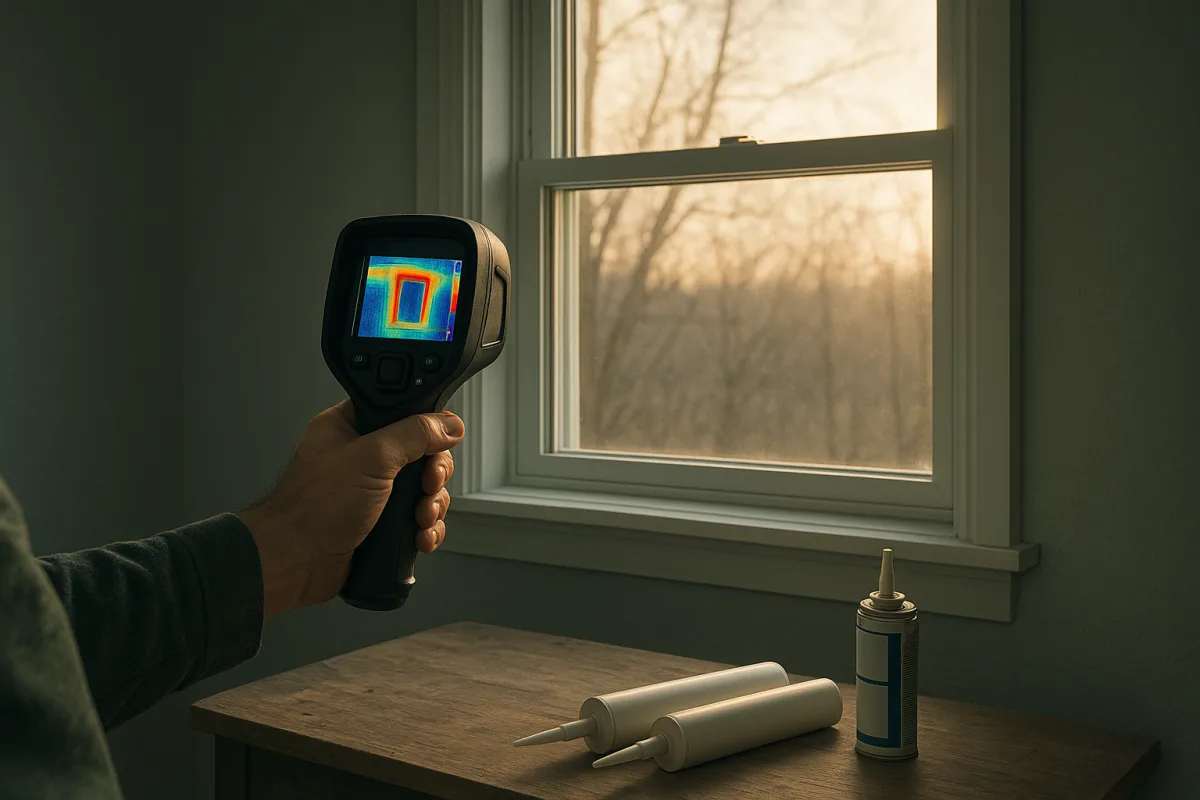
Start with the bill, then find the loss
A high utility bill is a symptom, not a diagnosis. Before buying equipment, gather 12 months of electric, gas, propane or fuel-oil bills, then note which months spike and whether the increase follows heating, cooling or water-heating use.
That history helps distinguish a summer cooling problem from a winter envelope problem. It also gives you a baseline for judging savings later, rather than comparing one mild month with one unusually hot or cold month.
The most useful next expense is often a home energy audit. Basic walk-through audits generally cost $100 to $250, while comprehensive audits using blower-door testing and thermal imaging commonly run $250 to $650. Advanced diagnostics can exceed $650. [14]
Check with your utility before paying retail. Utilities may offer free or subsidized audits, and that can make a professional assessment the lowest-cost first step. The research brief recommends repeating an audit every three to five years and after a substantial renovation. [13][14]
Ask the auditor to identify air leaks, insulation gaps, duct leakage, equipment condition and likely moisture issues. A whole-home evaluation matters because isolated upgrades can work against each other, particularly when a new HVAC system is installed before the home’s actual heating and cooling load is known. [9][10]
Keep the report, photos and invoices with your house records. They will not guarantee a higher resale value, but they document what was done and make it easier to compare future energy use against a known starting condition.
Fix the inexpensive waste before replacing equipment
Air sealing is usually the first repair worth pricing. Common targets include gaps around plumbing and wiring penetrations, attic hatches, recessed fixtures, exterior door frames and connections between conditioned areas and garages or crawlspaces.
The cited estimates put air sealing at roughly $300 to $1,500, with 10% to 20% heating and cooling savings and a payback of less than two years in many cases. Actual results depend on how leaky the house was when you started. [4][10]
That is why a $300 project can be more consequential than it sounds. If heated or cooled air is escaping continuously, a new high-efficiency appliance is being asked to condition air you immediately lose.
Ducts deserve the same scrutiny, especially when they run through an attic, crawlspace or garage. Duct sealing is estimated at $300 to $1,000 and can reduce conditioned-air losses by 20% to 30%, although the available research does not give one dependable payback period for every home. [4]
Do not confuse duct sealing with replacing every duct. An audit can help identify disconnected runs, damaged insulation, unsealed joints and leaky boots, which may be the actual problems. Get a written scope so you know whether a bid covers testing, sealing, insulation or wholesale replacement.
Routine maintenance is less exciting but still part of the savings calculation. Neglected HVAC filters are repeatedly identified as a homeowner error because restricted airflow can undermine system performance and lead owners to blame the equipment rather than its maintenance. [9][11]
Address the attic before shopping for a bigger system
Once major leaks are identified, look upward. Attic insulation is among the better-supported medium-cost measures in the research, estimated at $1,500 to $3,500 with a three- to seven-year payback and 15% to 25% heating and cooling savings. [4]
The range is wide because an attic with little insulation is a very different project from topping up an already adequate one. Climate, existing insulation, house size and access all affect both the contractor’s price and the eventual savings.
Broader estimates say improved insulation can reduce total energy bills by 10% to 45%, depending on the house and climate. That is not a promise that every insulation project will hit the top of the range. [7]
The ordering matters. Installing new heating or cooling equipment first can leave you paying for capacity you no longer need after air sealing and insulation. Research on homeowner mistakes specifically flags skipped envelope work and incorrectly sized HVAC equipment. [9][11]
A contractor should base equipment recommendations on a load calculation, not simply the size of the old furnace or air conditioner. Replacing a 20-year-old oversized system with another oversized system may solve a reliability problem, but it does not solve the sizing problem.
Cut daily use that does not require construction
Lighting is the straightforward line item. The cited cost for converting to LED lighting is $100 to $500, with expected annual savings of $100 to $300 and a payback of less than one year. [4]
LEDs also reduce lighting energy consumption by an estimated 30% to 60%. The exact reduction depends on what you are replacing, how long lights run and whether the prior bulbs were incandescent, halogen or already efficient LEDs. [6]
Work room by room, beginning with fixtures used longest: kitchens, living areas, exterior lights, bathrooms and utility spaces. Save the bulb packaging or note color temperature and base type before buying multiples, so replacement does not become an avoidable second purchase.
A smart or programmable thermostat can be the next practical purchase, but only if the schedule reflects how the home is actually occupied. Estimated installed or purchase costs are $150 to $300, with a typical payback under two years and heating and cooling savings of 10% to 15%. [4][6]
That percentage applies to heating and cooling costs, not automatically to the entire utility bill. A home with high water-heating or appliance use will see a different total-bill effect than a home where space conditioning dominates.
Use schedules conservatively at first. Set temperatures back or up during predictable sleeping or away periods, then watch comfort and bills for a billing cycle. A thermostat cannot overcome large air leaks, poor insulation or a malfunctioning system.
Match the plan to your climate and rising cooling needs
There is no national upgrade sequence that works equally well in Phoenix, Miami, Minneapolis and coastal California. The Department of Energy’s Building America work uses climate-specific strategies for hot-humid, cold and very cold, marine and mixed-humid regions, with whole-house packages targeting roughly 40% energy savings. [1][2]
In a cold or very cold climate, limiting heat loss through the enclosure and managing moisture should have more weight in the plan. In hot-humid areas, controlling cooling loads, duct losses and humidity becomes more central. [1][2]
This is also a planning issue, not merely a comfort issue. Research cited by Oak Ridge National Laboratory projects increasing cooling demand and decreasing heating demand across much of the United States as seasonal climate patterns shift. [3]
For a homeowner comparing projects with different useful lives, that suggests placing real value on cooling-focused measures, including duct repairs and measures that reduce unwanted heat gain. It does not establish a universal dollar return for any one project. [3]
Price larger upgrades without assuming a tax credit
Major upgrades need a separate, more skeptical worksheet. The former federal Energy Efficient Home Improvement Credit, worth up to $3,200 annually, and the 30% Residential Clean Energy Credit for solar both expired after December 31, 2025. [13]
That expiration changes the cash-flow math. A contractor’s proposal, web calculator or old article may still show a federal credit that no longer applies, making the homeowner’s out-of-pocket cost look artificially low.
Some assistance remains, but availability is not uniform. The Home Electrification and Appliances Rebate program can provide up to $14,000 in lifetime rebates for qualifying low- and middle-income households, subject to income rules and recent policy limits involving fuel-switching projects. [13]
The HOMES rebate program and utility rebates may also be available in some places, but the program rollout has varied by state. Verify the current local program before signing a contract or treating a rebate as part of the project budget. [13]
A heat pump water heater is one of the few larger items with cost and savings figures in the research. It is estimated at $1,000 to $2,000, with a five- to seven-year payback and about 50% water-heating savings. [4]
Those estimates do not mean it suits every utility setup or household. Water-heating demand, electric rates, installation conditions and any available local rebate determine the actual result. The research brief does not support precise 2026 cost or payback claims for general HVAC replacements, so be cautious with confident contractor projections.
Be realistic about windows and solar
Windows can improve comfort, reduce drafts and address failing units, but they are not usually the first bill-saving upgrade. Available estimates put window-replacement payback at roughly 22 to 40 years. [4]
That does not make replacement irrational when windows are damaged, unsafe or at the end of their service life. It means the energy savings alone may not justify replacing functional windows before sealing air leaks and improving attic insulation.
Solar deserves a location-specific analysis. Estimated payback periods range from six to 12 years, depending on location and incentives, and the expired 30% federal credit will lengthen the payback for many households. [8][13]
Ask a solar installer to show system price, expected annual production, utility-rate assumptions, net-metering assumptions, financing charges and any state or utility incentive separately. Do not accept a single monthly-payment comparison as a savings analysis.
The same discipline applies if you borrow for improvements. A loan payment, interest cost and expected utility savings are different lines on the worksheet. Lower monthly utility bills do not automatically mean lower total monthly housing costs during the repayment period.
I am not a licensed agent, lender or financial adviser. I cannot tell you whether to borrow, refinance, sell or pursue a specific upgrade. The right order depends on your energy rates, climate, home condition, available rebates and how long you expect to own the property.
Frequently Asked Questions
How can I improve my home's energy efficiency on a budget?
Start with a home energy audit to identify the biggest leaks and inefficiencies. Then focus on inexpensive repairs like air sealing, which typically costs $300 to $1,500 and can reduce heating and cooling use by 10% to 20%. Replacing incandescent bulbs with LEDs is another low-cost upgrade that often pays back in under a year.
What are the most cost-effective home energy efficiency improvements?
Air sealing and LED lighting conversions are among the most cost-effective, with payback periods often under two years. Duct sealing can also reduce conditioned-air losses by 20% to 30%, though payback varies. Attic insulation and smart thermostats offer good savings but usually have longer payback times.
Why should I get a home energy audit before upgrading?
An audit provides a comprehensive assessment of air leaks, insulation gaps, duct leakage, and equipment condition, helping to prioritize improvements. It prevents costly mistakes like oversizing HVAC equipment and ensures upgrades address the home's actual heating and cooling loads. Utilities may offer free or subsidized audits, making this a cost-effective first step.
How does air sealing impact home energy savings?
Air sealing targets common leaks around plumbing, wiring, attic hatches, and door frames, reducing the loss of heated or cooled air. It typically costs $300 to $1,500 and can cut heating and cooling energy use by 10% to 20%, often paying for itself in under two years. Proper air sealing reduces the workload on HVAC systems, improving overall efficiency.
When should I replace HVAC equipment for better energy efficiency?
Do not replace or resize HVAC equipment until insulation, air leakage, duct condition, and actual heating and cooling loads have been evaluated through an audit. Oversizing is a common and costly mistake. Addressing building envelope issues first ensures that new equipment is properly sized and more efficient.
How we researched this
This article was assembled from 14 cited references.
Nothing here is based on hands-on testing. Where a figure or finding appears, it belongs to the source cited beside it, and the writing says so rather than implying otherwise. Every source is listed below so you can check it.
Sources
- Guides and Case Studies for Hot-Humid Climates | Department of Energy
- Guides and Case Studies for Cold and Very Cold Climates | Department of Energy
- Shift in seasonal climate patterns likely to impact residential energy consumption in the United States - Oak Ridge National Laboratory
- Energy Efficiency Home Upgrades 2026 | ROI & Payback Analysis | ModuBlox
- 10 Green Home Energy Upgrades to Cut Bills (2026)
- Are Smart Homes Energy Efficient? How Much Energy Can You Actually Save? - Power Savings Daily
- How to Lower Your Home Energy Bill
- How Much Do Solar Panels Cost in 2026? | EnergyRanked
- Top HVAC Efficiency Mistakes Homeowners Make
- Cut Your Electric Bill Now: The Homeowner's Energy Efficiency Checklist for 2026 | SolarSimple
- Common Energy Efficiency Mistakes Homeowners Make - HomeownersHQ
- 10 Common Home Efficiency Mistakes Homeowners Make: Most Beautiful Houses in the World
- Tax Credits for Energy-Efficient Home Improvements
- Home Energy Audit Cost by State: 2026 Regional Guide | Efficiency
Related Articles
Improve Curb Appeal on a Budget
Learn how to improve curb appeal on a budget with practical, affordable tips to boost your home's exterior before selling.
Increase Home Value Before Selling
Learn how to increase home value before selling with smart repairs, exterior upgrades, and budgeting tips for the best return on investment.
How to Find a Good Home Inspector: Tips and Licensing Info
Learn how to find a good home inspector by verifying licenses, comparing costs, and reviewing sample reports before hiring.

What Is a Title Search? Understanding the Process
Learn what a title search is, how it works, what it reveals, and why it's essential before buying a home.