
Best Time to Sell a Home in Winter: Market Insights for 2026
Discover the best time to sell a home in winter with 2026 market insights on pricing, timing, and strategies for a successful winter sale.
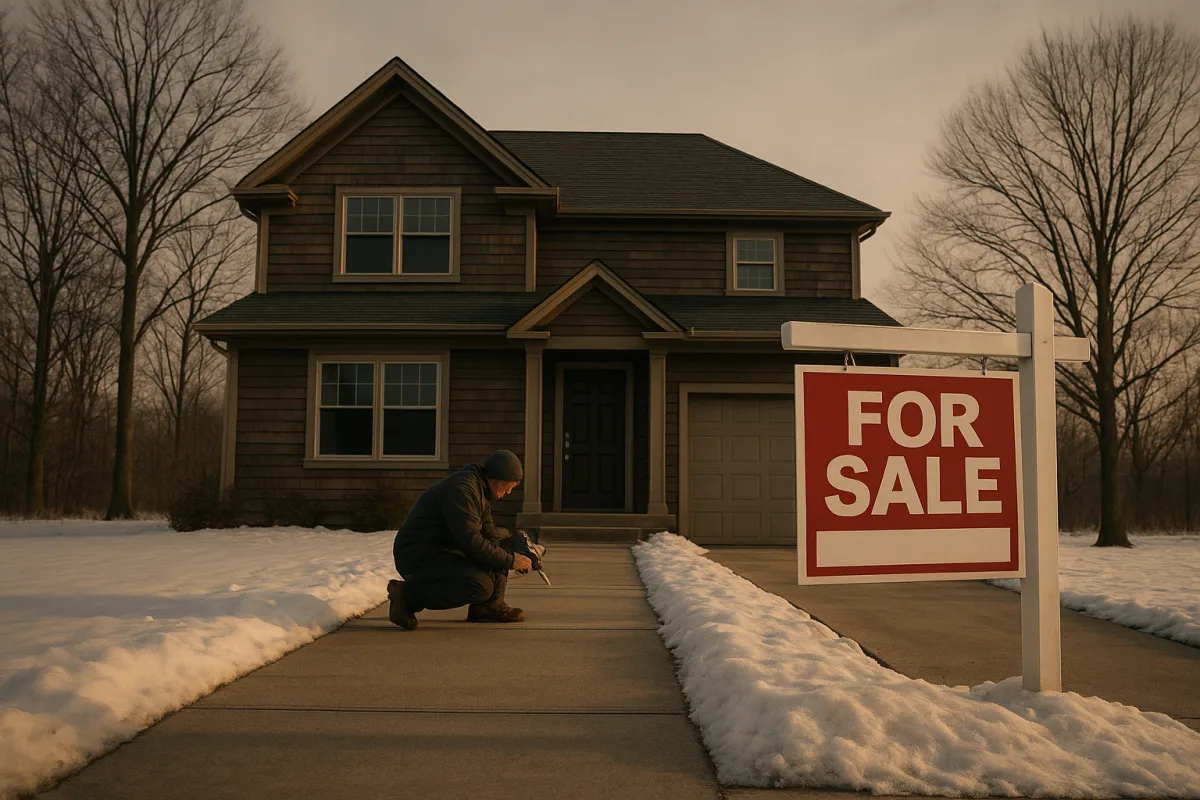
Best Time to Sell a Home in Winter: What the 2026 Market Signals
Winter 2026 begins with fewer buyers, but not one national market
Pending U.S. home sales were down 8.5% year over year in September 2026, a sign that many would-be buyers remained on the sidelines heading into winter. Redfin described a slow winter market as affordability constrained demand. [5]
Mortgage rates are a central reason. A 30-year fixed mortgage rate was about 7.32% in late 2026, while a 15-year fixed rate was about 6.68%, levels that reduce how much many financed buyers can borrow. [4]
That puts a winter seller in a narrower market. You may face fewer showings, more payment-sensitive offers, and buyers who compare your home closely against their monthly-cost ceiling instead of focusing only on the list price.
National weakness does not mean every local market is declining at the same pace. Axios reported that Northwest Arkansas home sales rose 0.3% year over year in September 2026, while national sales fell 4.3% over the comparable period. [1]
Those figures measure completed sales, not future winter closings, but they show why broad seasonal advice can fail at the neighborhood level. A market gaining inventory, jobs, or buyer traffic can behave differently from a national average.
We would start with local pending sales, active listings, price reductions, and competing homes in your price range. A winter listing plan needs those current signals, because detailed national data for winter 2026 prices and days on market is not yet available.
The historical seasonal tradeoff is speed and price
The long-running pattern still favors spring and early summer for sellers seeking the broadest buyer pool. Homes sold in June have historically achieved prices about 4.2% above the yearly average, while January sales were about 7% below it. [3]
Time on market follows a similar pattern. December listings average roughly 50 days to sell, compared with about 30 to 40 days for homes listed in May, according to seasonal selling guidance from Opendoor. [3]
Those are averages, not predictions for your address. A renovated home in a low-inventory school district can draw attention in December, while an overpriced house can sit through May with the same result.
Winter can still offer one advantage: fewer competing listings may give a well-prepared home more visibility. That benefit works only if buyers see value quickly, because the remaining buyer pool often has a deadline, a financing limit, or both. [16]
Some winter buyers are moving for a job, a lease expiration, or a household change, which can make them serious shoppers. It does not mean they will accept a price unsupported by comparable recent sales or their lender’s appraisal.
The timing may also be changing around the edges. Seasonal activity has been moving earlier, with March and April taking on more of the market acceleration traditionally associated with later spring. [16]
For a seller considering a winter launch, that makes late winter a bridge period rather than a dead zone. A home that is repaired, photographed, and priced before the March increase in activity may be ready for the first larger buyer wave.
Higher rates and easing lock-in could change the inventory equation
For several years, owners with very low mortgage rates had a strong reason to stay put. In 2026, mortgages above 6% outnumber mortgages below 3%, easing that lock-in effect and potentially making more owners willing to list. [16]
That could mean winter inventory is less sparse than sellers expect. Less competition remains possible, but it is no longer safe to assume that listing in December automatically puts your home in front of an unusually small field.
At the same time, a buyer financing at roughly 7.32% faces a much higher payment than a buyer using the ultra-low rates common earlier in the decade. [4] The result can be a market with more willing sellers and cautious buyers.
That combination places extra weight on price. In 2025, 20% of sellers reduced their asking price after listing, according to KM Realty Group’s survey-based guidance on common selling mistakes. [15]
A price reduction is not automatically a failure, but it can cost time and negotiating leverage when buyers notice the listing has lingered. We would set the initial price from recent local comparables and active competition, then decide in advance how you will respond if activity is weak.
Pricing just below a common search threshold can expand the group who sees the home. For example, a price below a major round-number filter may place your listing in one more buyer search, though the right threshold depends on your local market and comparable sales. [13]
Winter weather becomes part of the showing condition
Weather can affect whether buyers tour, how a property photographs, and whether inspectors can fully evaluate exterior systems. The Associated Press forecast a milder winter with below-normal snowfall in parts of the Northeast and wetter conditions in the Southwest. [2]
A milder Northeast winter may reduce snow-related access problems, but the forecast does not eliminate them. More rain in the Southwest can also expose drainage, roof, gutter, and grading issues that a dry-season showing might conceal. [2]
The weather effect is regional and difficult to quantify for winter 2026. There is no comprehensive national analysis showing how winter weather will change selling times or sale prices by market this season.
Your exterior needs to be safe before every showing. Clear snow and ice from walkways, keep exterior lighting working, and make sure buyers can reach the front door without navigating a slippery path. [12]
Winter curb appeal can also look neglected faster than summer curb appeal. Dead plants, dirty gutters, bare beds, and a dim entry can make a home feel poorly maintained even when its major systems are sound. [11]
Inside, the goal is comfort without disguising problems. Warm lighting, uncluttered rooms, and a comfortably heated interior can help buyers picture daily life there, while a cold room or visible draft can raise questions about insulation and utility costs. [8]
Staging guidance recommends removing at least half of your belongings to make rooms feel larger and easier to evaluate. Textured throws and restrained seasonal details can add warmth, but heavy decorations can make rooms look smaller. [10]
Use professional-quality photos whenever possible, because shorter daylight hours reduce the margin for dark listing images. Buyers commonly decide whether to book a showing from the first set of photographs, before they experience the house in person. [9]
Maintenance and inspections can prevent a winter contract problem
Winter exposes systems buyers care about: heating, windows, insulation, roof performance, and plumbing. Frozen pipes, drafts, weak heat, and moisture intrusion can turn up during a showing or inspection when the home is under more stress. [11]
A pre-listing inspection typically costs about $300 to $600 and can identify defects before a buyer discovers them. [17] It does not replace the buyer’s own inspection, but it can give you time to repair, disclose, or price around known issues.
The cost decision depends on the property. We would consider a pre-listing inspection most strongly for an older home, a vacant property, or a house with prior plumbing, heating, roof, or water-intrusion concerns.
Keep receipts and service records for furnace maintenance, chimney work, plumbing repairs, and roof fixes. Documentation will not guarantee a buyer accepts the condition, but it gives you a clearer answer when an inspector flags a recently addressed issue.
A failed winter sale can be especially frustrating because the next buyer may see the relisting history. Kiplinger recommends reassessing the price, property condition, and issues that led to the failed contract before putting a home back on the market. [14]
Escrow and closing costs do not get a winter discount
Winter does not materially change the basic closing machinery. A financed purchase commonly takes about 30 to 45 days in escrow, while a cash transaction can close in one to two weeks. [6]
Closing costs also generally remain consistent through the year. There is no published evidence that winter alone changes the standard lender, title, recording, prepaid, or escrow costs paid in a typical sale. [4][6]
What winter can change is the chance of a delay. Snow, rain, holiday schedules, limited daylight, or a slower response from contractors can postpone inspections, repairs, appraisals, or lender documentation even if the escrow process itself is unchanged.
Build that possibility into your contract planning. If you need sale proceeds for your next move, a 30-day closing date may be achievable, but it leaves less room for a weather interruption or an inspection repair than a longer timeline.
Cash offers can close more quickly, yet speed is only one term. Compare the offer price, inspection contingency, appraisal contingency, requested credits, closing date, and proof of funds before deciding which proposal best fits your move.
A winter listing works best when it is ready before buyers arrive
The strongest winter plan is usually preparation first, then a price that acknowledges the market you are entering. You cannot control mortgage rates or snowfall, but you can control access, condition, photos, disclosures, and response time.
Highlight features that solve a winter buyer’s immediate concerns, such as a working fireplace, efficient heating, insulated windows, garage parking, or a mudroom. [13] Only emphasize features you can support with the home’s actual condition and records.
Avoid treating low winter inventory as permission to overprice. Fewer listings can help your home stand out, but elevated mortgage rates mean buyers may have less room in their payment budget than comparable buyers had in prior years. [4]
If your timeline allows flexibility, use late winter to prepare for the March and April increase in activity. If you need to list earlier, focus on making the home easy to tour, easy to inspect, and easy for a buyer to understand from the listing materials. [16]
Winter is not automatically the best or worst time to sell. For you, it is a tradeoff between a smaller, potentially more motivated buyer pool and historically slower sales, lower average pricing, weather exposure, and today’s high borrowing costs.
Frequently Asked Questions
What is the best time to sell a home in winter?
Late winter, especially before the spring market accelerates in March and April, can be a good time to list. Preparing your home early with repairs and pricing it competitively may position it well for the first wave of buyers. However, winter sales generally take longer and may close at lower prices than spring listings.
How does winter affect home sale price and time on market?
Homes listed in December typically take about 50 days to sell, compared with 30 to 40 days in May. Prices for homes sold in January tend to be about 7% below the annual average, while June sales often exceed the average by about 4.2%. These trends reflect a smaller buyer pool and more cautious offers during winter months.
Are there advantages to selling a house in winter?
Winter can offer less competition from other sellers, potentially giving a well-priced and well-prepared home more visibility. Serious buyers in winter often have specific deadlines or needs, such as job relocations or lease expirations, which can lead to motivated offers despite the smaller market.
How should I price my home when selling in winter?
Price your home based on the current winter buyer pool rather than spring market expectations. Since winter sales often close below the yearly average price, setting a realistic price aligned with recent comparable sales and buyer financing limits is important to attract interest and avoid lengthy time on market.
What local market factors impact selling a home in winter?
Local inventory levels, pending sales, and competing listings in your price range significantly influence winter selling success. Regional markets can deviate from national trends; for example, some areas like Northwest Arkansas saw slight sales increases despite national declines, so monitoring local data is essential before listing.
How we researched this
This article was assembled from 17 cited references.
Nothing here is based on hands-on testing. Where a figure or finding appears, it belongs to the source cited beside it, and the writing says so rather than implying otherwise. Every source is listed below so you can check it.
Sources
- NWA home sales trend slightly up
- US winter is likely to be wetter and warmer, forecasters say. If you want more snow, look south
- When is the best time to sell a house? | Opendoor
- The Best Time Out the Year to Sell Your Home | Lendyx Resources
- Pending U.S. Home Sales Fall 6% As Would-Be Buyers Sit Out Slow Winter Market
- How Long Does Escrow Last and What Affects It? - LegalClarity
- El Niño Could Change Your Yard This Year - What Gardeners In Every Region Of The US Should Prepare For
- Home Staging Tips for Winter: 7 Ideas to Sell Your House Faster in Cold Months | KDS Homebuyers
- Seasonal Staging: Preparing Homes for the Winter Market
- 10 Proven Staging Strategies to Sell Homes Faster in 2026 | Restagely
- Winter Home Prep Checklist for Indianapolis Sellers
- Selling During a Winter Snow Storm
- Top Tips for Selling a Home in the Winter | Effective Agents
- How to Relist Your Home After a Sale Falls Through: What to Change on Price, Agent and Home Issues
- Top Home Selling Mistakes in 2026 | KM Realty Group LLC
- Should You Sell in Winter Or Wait Until Spring 2026?
- 8 Mistakes to Avoid When Selling a Home in Winter
Related Articles
Winter Home Selling Tips: How to Prepare and Price Your Home
Discover winter home selling tips including preparation, pricing, and maintenance to help you sell your home effectively during cold months.
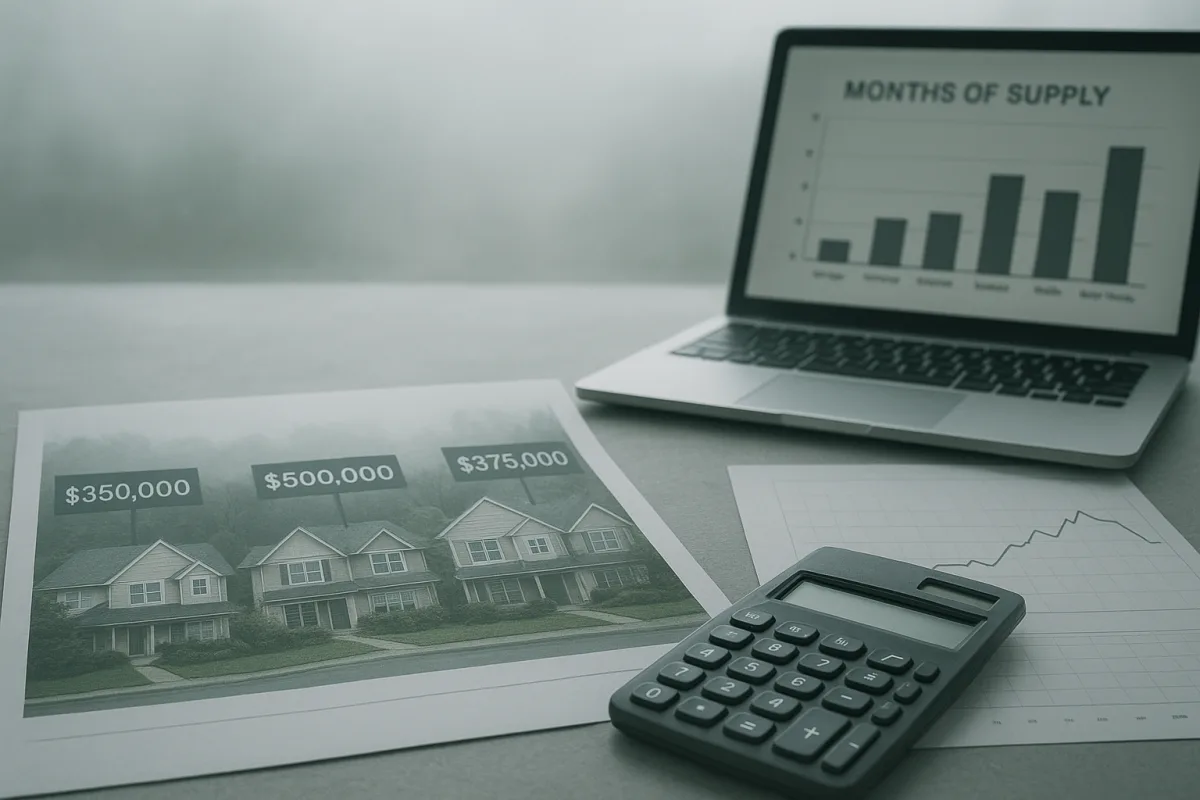
Real Estate Market Trends
Learn how to understand real estate market trends, including months of supply and mortgage rate impacts, to make smarter buying or selling decisions.
Prepare for a Home Showing During Winter: Essential Tips
Learn how to prepare for a home showing during winter with tips on snow removal, thermostat settings, and managing wet boots for a safe, inviting visit.

Best Time to Buy a House in Spring: Insights for 2026 Buyers
Explore the best time to buy a house in spring 2026 with market trends, mortgage rates, inspections, and negotiation tips for buyers.