
Winter Home Selling Tips: How to Prepare and Price Your Home
Discover winter home selling tips including preparation, pricing, and maintenance to help you sell your home effectively during cold months.
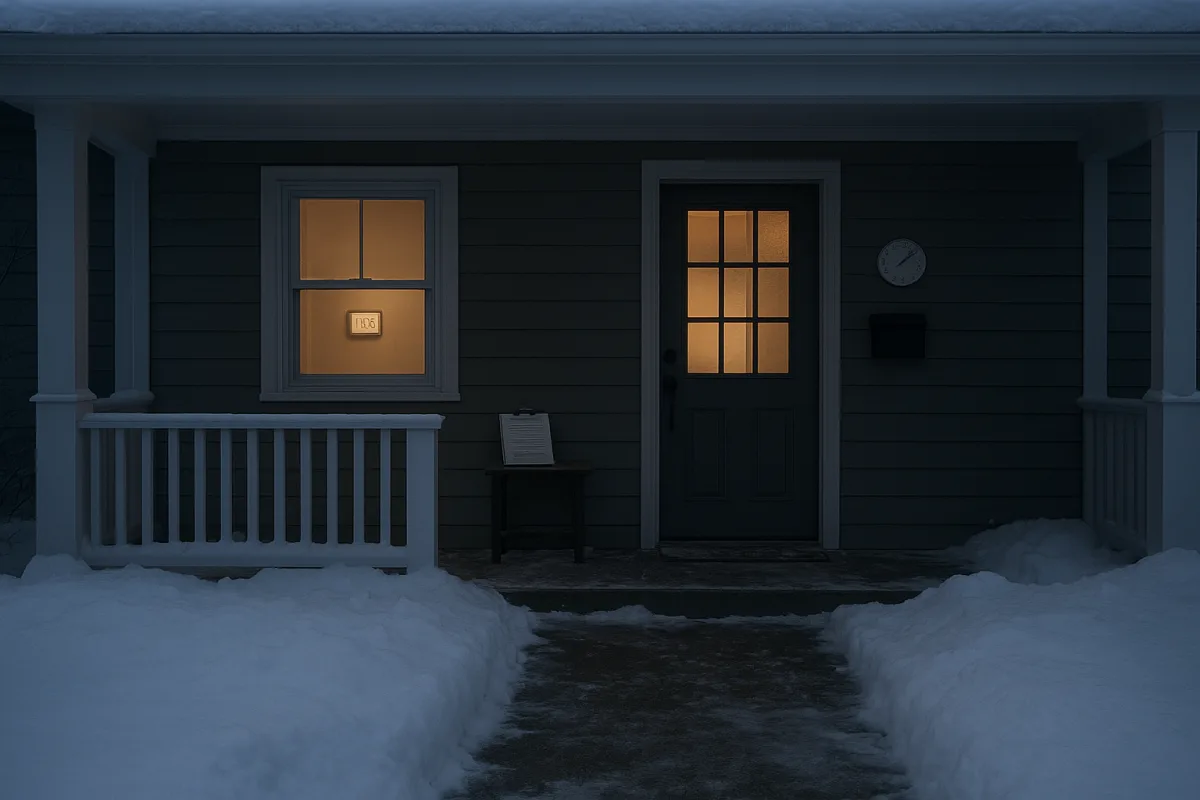
Winter selling is becoming a preparation exercise, not simply an off-season listing
The shift is plain: winter sellers are being pushed to manage the property more actively before it reaches the market. The job is no longer limited to adding a wreath and turning on lamps.
The evidence is not a national dataset proving that a particular staging tactic sells homes faster. It is a consistent pattern across independent home-selling, cleaning, maintenance, and organization coverage: winter presentation now centers on warmth, safe access, visible upkeep, and uncluttered daily living.[1][3][4][11]
Redfin’s winter staging guidance, a Lexington, Kentucky seller resource, and KDS Homebuyers all arrive at broadly similar advice: use warm lighting, keep seasonal decoration restrained, and make the home feel comfortable rather than overly themed.[1][2][5]
That convergence matters because winter exposes systems and surfaces buyers can overlook in milder months. A cold foyer, dripping gutter, blocked walkway, or uneven heat is not just an aesthetic problem. It can prompt questions about deferred maintenance.
Still, the evidence has limits. There is no reliable research in the supplied reporting that quantifies how much more effective winter staging is in Minneapolis than Atlanta, or how many dollars a warmer room adds to an offer.
Why the timing matters in the 2026 market
Winter’s smaller buyer pool can make condition and pricing more consequential. Buyers who schedule showings during cold weather may be more purposeful, but they also have a clearer opportunity to compare listings and negotiate when inventory is rising.
The research brief identifies elevated mortgage rates, with the 30-year fixed rate at 7.28% in October 2026, as a backdrop for greater buyer sensitivity. That makes payment affordability, rather than a seller’s preferred calendar, part of the pricing reality.
Seller-focused reporting from Own Luxury Homes and Homes.com flags a familiar pattern: owners list above recent comparable sales, wait too long to react, then make a much larger reduction after the property has accumulated market time.[16][18]
The cited examples describe $25,000 to $40,000 reductions on $500,000 homes after 60 or more days when a listing begins overpriced. That is not a universal winter result or a pricing rule, but it illustrates the cost of treating an initial number as fixed.[16]
For a seller, the practical implication is to separate two decisions. First, determine what comparable closed sales and competing listings support in the local market. Second, decide whether the timing and expected net proceeds fit the household’s own timeline.
I am not a licensed real estate agent, lender, or financial adviser. A listing price, price-adjustment threshold, and decision to sell depend on local comparable sales, mortgage rates, competing inventory, and the seller’s timing.
Start with access, heat, and moisture
A winter buyer often forms an opinion before reaching the front door. Snow, slush, fallen leaves, and ice make the route from curb to entry part of the showing, not a chore to defer until after an appointment.
In snow-heavy Northeast and Upper Midwest markets, that means clearing and treating walkways, steps, driveways, decks, and exterior handrails consistently. It also means checking that the heating system, including oil-fired boilers where common, is operating reliably.
In the Mid-Atlantic and Ohio Valley, repeated freeze-thaw cycles can be the bigger concern. Gutters, downspouts, roof drainage, attic insulation, and driveway cracks deserve attention because water that repeatedly freezes can make minor defects look more serious.
Southeast and Gulf Coast sellers face a different version of winter preparation. Curb appeal may depend on keeping lawns, beds, and irrigation tidy through milder weather, while still protecting pipes and exposed equipment against occasional hard cold snaps.
The cost of preventative work is usually easier to estimate before it becomes a showing-day problem. OnOtto places HVAC inspections at $80 to $200 and gutter cleaning at $100 to $200, both best handled before severe weather arrives.[13]
Pipe insulation can cost roughly $1 to $2 per linear foot, while basic weatherproofing is commonly estimated at $50 to $150. Those figures cover relatively limited work, not a furnace replacement, roof repair, or extensive air-sealing project.[13]
Driveway crack repair is estimated around $5 to $10 per linear foot when done before temperatures fall below 50°F. Chimney cleaning commonly runs $100 to $300 before fireplace use, and replacing detector batteries may cost $20 to $50.[13][14]
Those expenses do not automatically increase a home’s value dollar for dollar. Their clearer purpose is reducing visible defects, access problems, and inspection questions that can slow a transaction or become leverage in negotiations.
Stage for comfort without disguising the house
The winter staging consensus is unusually straightforward. Redfin, local seller guidance from Lexington, and KDS Homebuyers all favor warm, welcoming rooms, clean surfaces, clear paths, and limited neutral seasonal touches rather than dense holiday decor.[1][2][5]
Warm bulbs in the 2700K to 3000K range can support that atmosphere, especially in rooms that receive less daylight. The goal is not to make a house artificially dim, but to avoid cold, bluish lighting that can make winter interiors feel stark.
Hallways deserve more attention than they receive in many staging checklists. Woman & Home’s winter organization advice focuses on controlling the practical clutter of wet footwear, umbrellas, coats, and bags, which can quickly make an entrance seem undersized.[4]
Set out only what is needed for daily use and put the rest away before showings. A buyer should be able to enter, remove wet shoes if appropriate, and move into the house without stepping around family gear or dripping outerwear.
Deep cleaning also becomes more visible in winter because windows remain closed and daylight is lower. Homes & Gardens emphasizes addressing dirt and neglected cleaning tasks before spring, a useful reminder for baseboards, vents, floors, bathrooms, and kitchen surfaces.[3]
Do not use staging to hide a heating, moisture, or roof issue. Candles, heavily scented products, and a roaring fire may feel seasonal, but they can distract from the more important job of presenting a clean, maintained, safely functioning property.
Set conditions buyers can actually feel
For daytime showings, the research brief’s consistent guideline is 68°F to 70°F, falling to around 60°F overnight. That range gives visitors a reasonable sense of comfort without asking a seller to heat an empty property continuously.[7]
Humidity matters alongside temperature. Recommended indoor relative humidity is generally 30% to 50%, with 30% to 40% preferred in cold climates because overly humid indoor air can condense on cold windows and surfaces.[8]
There is no direct evidence that hitting 68°F rather than 66°F produces a measurable sale-price benefit. The more defensible reason is practical: stable heat and appropriate moisture levels help prevent uncomfortable showings and make the home’s systems appear cared for.
If windows show persistent condensation, a musty smell is present, or a humidifier is running constantly, address the underlying cause rather than merely adjusting the thermostat. Buyers and inspectors may interpret visible moisture as a potential mold or ventilation issue.
Expect winter inspections to focus on different risks
A standard home inspection does not take longer simply because it is winter. For homes under 3,000 square feet, HouseProbe places a typical inspection at two to three hours and about $300 to $500, with location and property complexity affecting the final price.[9]
The seller usually does not pay for the buyer’s general inspection, although negotiations can change that outcome. Opendoor notes that buyers commonly order and pay for the inspection, while sellers may later agree to repairs, credits, or price concessions.[10]
What changes in winter is the focus. Inspectors and buyers may pay closer attention to roof condition, ice dams, attic insulation, chimney safety, heating performance, drainage, and evidence of leaks or frozen-pipe risk.[11]
Some buyers may also request radon, mold, sewer-scope, or pest inspections. Those are add-ons beyond the base inspection, so a seller should not assume that a $300 to $500 inspection figure represents the whole due-diligence cost.[9][12]
A seller cannot control every inspection finding, particularly when snow limits visibility on a roof or ground surface. What a seller can do is keep service records, disclose known issues as required locally, and make mechanical spaces, attics, panels, and access points reachable.
Closing, escrow, and the net-sheet reality
Winter changes how a property is prepared, but it does not appear to change closing-cost categories in a meaningful national way. No direct evidence in the supplied research shows that escrow fees or standard closing costs rise simply because a sale closes in winter.
Zillow estimates buyer closing costs at 2% to 5% of the purchase price, or roughly $8,000 to $20,000 on a $400,000 home. Seller costs typically run 6% to 10%, including agent commissions, although local practices and negotiated terms vary.[6]
Escrow is the neutral closing process that holds documents and funds until agreed conditions are met. Its fee can vary by state, settlement provider, transaction complexity, and local custom, but season alone is not established as a pricing factor.
For a winter seller, the more relevant net-sheet variables may be a repair credit after inspection, a buyer closing-cost concession, carrying costs if the home sits longer, or a price reduction. Those can outweigh any small variation in settlement charges.
Before accepting an offer, ask for a written estimate that separates sale price from commissions, transfer taxes, title or escrow charges, payoff amounts, repair credits, and any buyer concessions. The best comparison is net proceeds under each offer, not the headline price alone.
Frequently Asked Questions
What are the best winter home selling tips to attract buyers?
Winter home selling now focuses on active preparation, including clearing snow, controlling moisture, servicing heating systems, and ensuring easy, safe entry before showings. Use warm lighting with bulbs around 2700K–3000K, keep seasonal decorations minimal and neutral, and create a comfortable atmosphere rather than an overly themed look. Maintaining visible upkeep and uncluttered living spaces helps avoid buyer concerns about deferred maintenance.
How should I price my home for a winter sale?
Price your home based on current comparable sales and actual buyer demand rather than aiming for a spring target. Overpricing and delayed price reductions are common mistakes that can lead to extended market time and significant price cuts later. Separate the decision of what the market supports from your personal timeline and expected net proceeds to set a realistic price.
What maintenance should I do before selling my home in winter?
Perform essential winter maintenance such as clearing snow and ice, servicing the heating system, and cleaning gutters to prevent ice dams. Budget for a home inspection costing $300 to $500 on average, with possible additional costs for radon, mold, sewer scope, or pest inspections. These steps help ensure the home is in good condition and reduce buyer concerns during showings.
How can I make my home inviting for winter showings?
Keep the indoor temperature between 68°F and 70°F during daytime showings and around 60°F overnight. Maintain relative humidity between 30% and 50%, preferably 30% to 40% in colder climates, to limit condensation and mold risks. Use warm lighting, cozy textiles, and keep entryways clear and accessible to create a welcoming environment.
Does winter affect closing costs or escrow in home sales?
There is no solid evidence that winter season alone materially changes closing costs or escrow fees. Typical buyer closing costs range from 2% to 5% of the purchase price, while seller costs usually fall between 6% and 10%, and these ranges remain consistent year-round. Any variation is more likely due to regional factors rather than the season.
How we researched this
This article was assembled from 18 cited references.
Nothing here is based on hands-on testing. Where a figure or finding appears, it belongs to the source cited beside it, and the writing says so rather than implying otherwise. Every source is listed below so you can check it.
Sources
- Selling Your Home in the Winter? Holiday Staging Advice | Redfin
- How to Stage Your Home for Winter | Lexington KY Home Selling Tips
- The Winter Deep-Clean Checklist Professional Cleaners Swear By in December - 5 Things You Should Never Leave Until Spring
- 7 easy ways to organise your hallway ready for winter - simple solutions to keep muddy boots, umbrellas and clutter under control
- Home Staging Tips for Winter: 7 Ideas to Sell Your House Faster in Cold Months | KDS Homebuyers
- What Are Closing Costs and How Much Will You Pay? | Zillow
- Expert reveals the key to preventing mold is to set your thermostat to this temperature
- Indoor Humidity Chart: Ideal Levels by Season and Room
- Home Inspection Cost: 2026 Pricing Guide & Cost Factors | HouseProbe
- Who Pays for the Home Inspection? Buyer vs Seller Costs Explained | Opendoor
- 15 Home Maintenance Tasks to Do Before the First Snow
- How Much Does a Home Inspection Cost in 2026? | HomeService USA
- Fall Home Maintenance Checklist: 17 Tasks Before Frost | OnOtto
- Fall Home Maintenance Checklist: 40 Jobs Before Winter
- Prepare Your PA Home for a Winter Sale | Jim Roman
- The 8 Most Expensive Seller Mistakes | Own Luxury Homes®
- Homeowners in 2026 Are Making Costly Mistakes — Here’s What to Avoid — Option Premier
- How home sellers can avoid common October listing mistakes - Homes.com
Related Articles

How to Sell a House Fast: Proven Strategies for Quick Sales
Learn how to sell a house fast with pricing tips, pre-listing inspections, and marketing strategies to close quickly in any market.
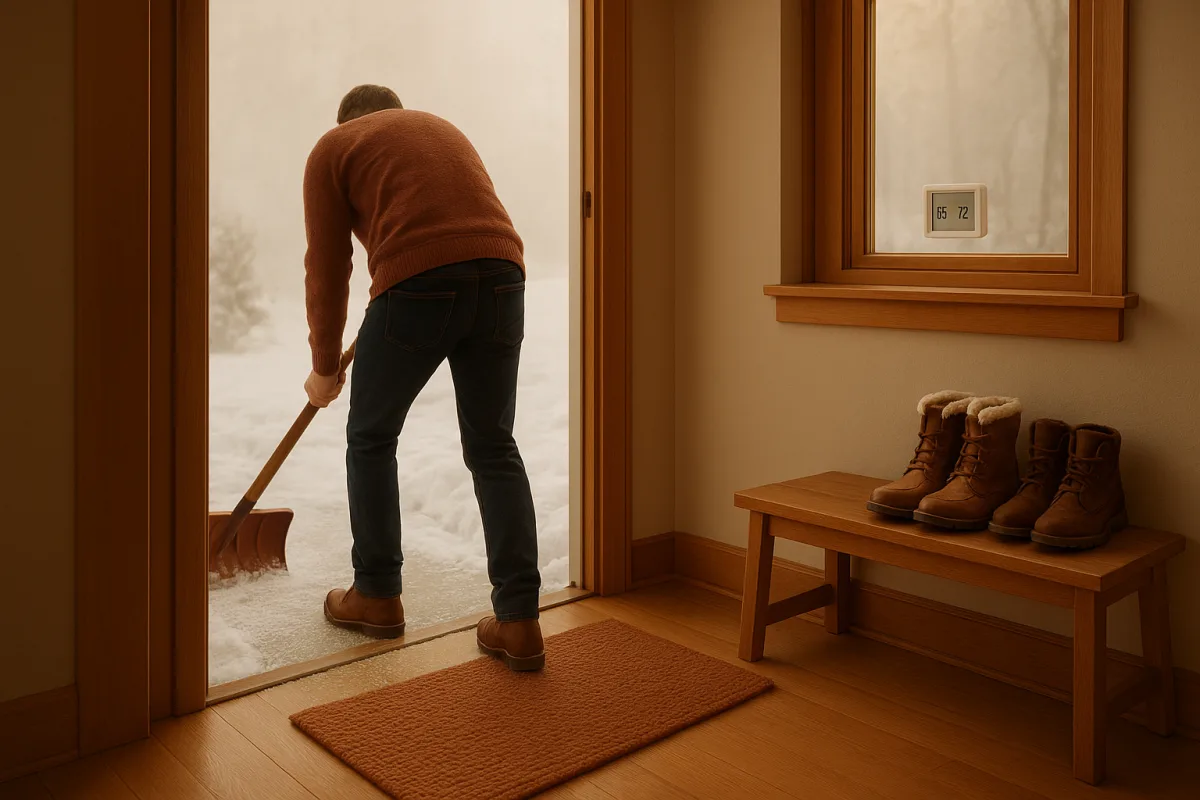
Prepare for a Home Showing During Winter: Essential Tips
Learn how to prepare for a home showing during winter with tips on snow removal, thermostat settings, and managing wet boots for a safe, inviting visit.

From Zero to Profit: Oliver Lang's Property Management Success Story
Oliver Lang shares his inspiring journey of starting a successful property management business from scratch, securing contracts through persistence and strategic outreach. Lang's story highlights the importance of perseverance and adaptability in the competitive world of property entrepreneurship.
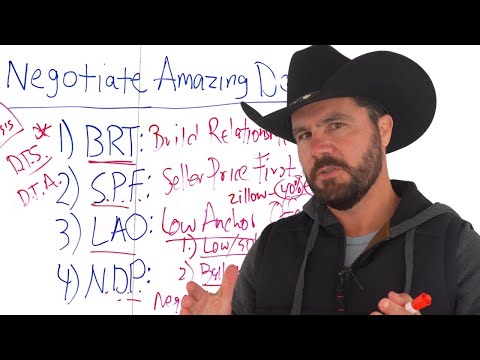
Mastering Wholesale Real Estate Negotiation: Jerry Norton's Four-Step Guide
Jerry Norton reveals the secrets to negotiating amazing wholesale real estate deals in a thrilling four-step process. Learn how to build trust, get sellers to name their price, make a low anchor offer, and negotiate for success. Gain expert insights to secure profitable deals effortlessly.