
Common Closing Day Issues in Home Buying and How to Avoid
Learn about common closing day issues, including financing, appraisal, and title problems, and how to avoid delays in your home purchase.
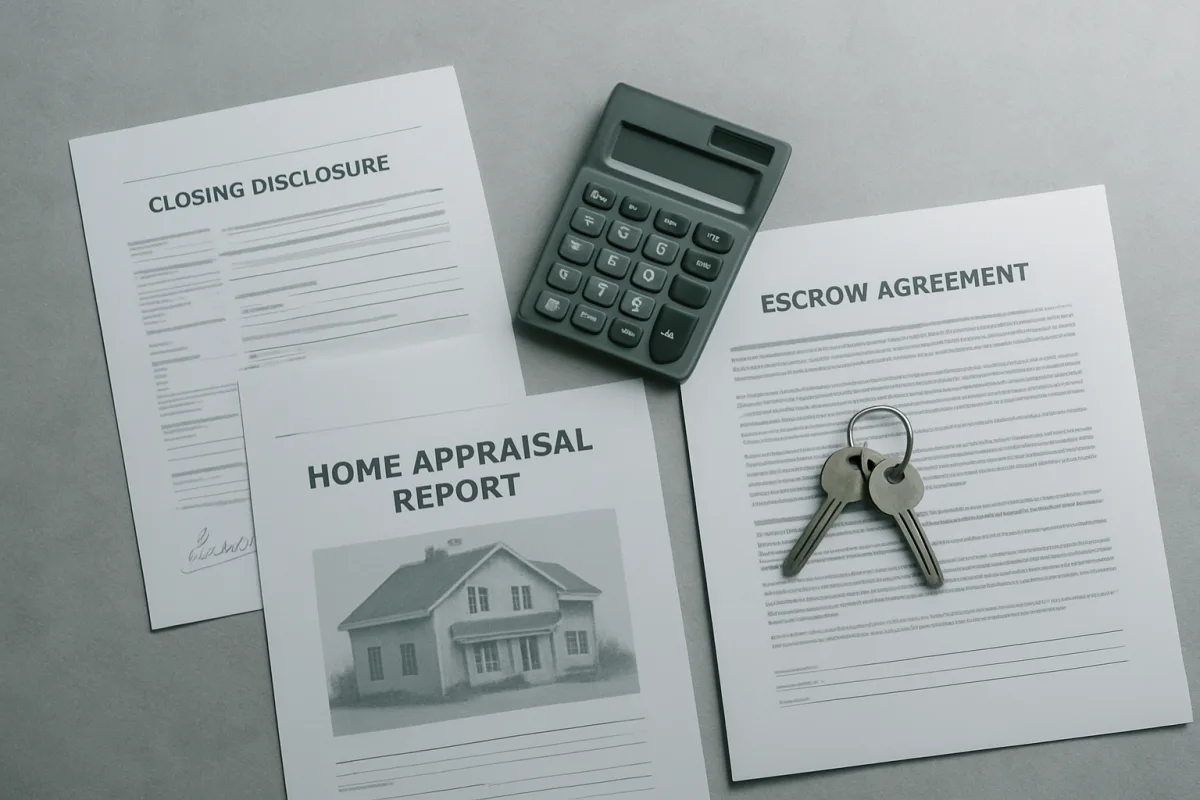
Closing Day Problems Usually Come Down to One Thing: Funds Cannot Be Released Yet
Closing is a release process, not one event
You may have a signing time, a wire deadline, and movers booked. But closing only finishes when several separate conditions line up: loan approval, clear title, completed documents, acceptable property condition, and available funds.
The signing itself commonly takes 30 minutes to two hours, depending on the transaction’s complexity and whether electronic signing is available. [16] That is the visible part. The larger process is deciding whether the money can be released.
A buyer’s lender must approve the loan for the exact property and final numbers. The title or escrow company must be able to transfer ownership without an unresolved claim. The seller must meet the contract’s repair and possession terms.
If any one link breaks late, the closing may pause. It may still happen after a delay, but you could face an extended moving timeline, a changed cash requirement, or a decision under the deadlines in your purchase contract.
About 14% of contracts experience delays but ultimately close, while roughly 5% fall through before closing, according to LegalClarity. [11] Financing trouble, title defects, appraisal gaps, inspections, and incomplete paperwork can all stop the release process.
We would start by asking your lender and closing or title contact one direct question a week before signing: what conditions remain open, who owns each one, and what document or action clears it?
Financing is the gate that can close last
Your mortgage approval is not always final when you first receive it. The lender still needs the completed appraisal, title work, insurance information, final loan documents, and confirmation that your financial profile remains within its underwriting requirements.
Financing denials are among the leading reasons contracts terminate. In February 2026, 14% of nationwide failed transactions involved mortgage problems, according to iBuyer.com. [3] A denial can arrive close to closing because the lender’s final review happens late.
Incomplete documents are a frequent cause of loan-closing delays. Missing payoff information, required disclosures, or other transaction paperwork can keep a lender from issuing a final approval or authorizing the closing package. [7]
Your Closing Disclosure is one of the documents that should not be a surprise at the table. Federal law requires delivery at least three business days before signing. [11] That window gives you time to compare the loan amount, interest rate, cash to close, and listed fees against what you expected.
The document cannot solve an appraisal gap or a title claim, but it can reveal whether the loan’s final numbers changed. A higher cash-to-close figure can result from revised fees, prepaid costs, escrow deposits, seller credits, or changes to the loan structure.
The appraisal can change the money you need
An appraisal estimates the home’s market value for the lender. If the value supports the contract price, the loan can proceed on the expected terms, subject to the other remaining conditions. If it comes in low, the financing calculation changes.
The lender generally bases its loan amount on the appraised value rather than the higher contract price. That can leave you with several paths: renegotiate the price, bring additional cash, seek an appraisal review, or use an appraisal contingency if your contract includes one. [12]
An appraisal contingency can protect your earnest money if the appraisal does not meet the contract’s terms. Earnest money is the deposit held during the transaction, and the specific protection depends on the wording and deadlines in your agreement. [12]
Appraisal problems accounted for 6% of delayed contracts in July 2026, Home Stimulus reported. [13] In Fraser Valley, British Columbia, Mansour Real Estate Group reported appraisal shortfalls averaging $35,000 to $65,000 on homes priced from $500,000 to $750,000. [14]
That Fraser Valley result is local, not a national estimate. Still, it shows the basic arithmetic: a low value is not a minor paperwork issue when the buyer must either reduce the price, increase cash, or find a financing solution before funds can release.
Appraisal timing can create its own deadline problem. Conventional appraisals are generally valid for four months and can be extended to 12 months with an update, while FHA appraisals are valid for 180 days and may be extended to one year with an update. [11]
Title work decides whether ownership can transfer
Title is the ownership record for the property. Before closing, the title company or closing professional looks for liens, ownership disputes, record errors, and other claims that could interfere with transferring the home to you. [4]
A lien is a legal claim against property, often connected to unpaid debts or obligations. If a prior lien remains unresolved, the seller may need to pay it off or produce documentation clearing it before the transaction can close. [8]
Survey results can raise a different version of the same issue. A boundary discrepancy or encroachment, such as a structure or improvement crossing a property line, can require review before the parties know exactly what ownership is being transferred. [8]
Title issues do not necessarily cancel a purchase. They often delay it while the seller, title company, lender, or another party supplies releases, corrected records, payoff documents, or additional information needed to clear the defect.
Title insurance is commonly part of the solution to title risk, alongside a thorough title search. [12] The policy may take 30 to 90 days after closing to issue, even though the title work needed for closing must reach a point where the transaction can proceed. [11]
Inspections and repairs are a separate condition
An inspection contingency gives you a period to inspect the home and respond to findings. Structural issues and mold can halt or reshape a deal if the parties cannot agree on repairs, credits, pricing, or whether the contract will continue. [6]
Inspection-related cancellations reached 16% in December 2025, LegalClarity reported, the highest level since 2017. [11] In May 2026, 22% of weekly home sales stalled at the inspection stage, according to Inspection Professionals. [15]
The final walk-through comes later and serves a narrower purpose. It is not a second inspection. It is a check that the home remains in the expected condition, agreed repairs are completed, and included appliances and fixtures are still present and functional. [17]
Schedule it within 24 to 48 hours of closing. [17] An earlier visit leaves more time for something to change, whether that is a missed repair, an item removed from the property, or damage occurring while the seller finishes moving out.
Ask for receipts for agreed repairs and verify the work itself. [17] If the condition does not match the contract, tell the closing professional before funds are released, because the available remedies and timing depend on the agreement and local closing process.
Escrow costs can make cash to close higher than expected
Escrow is a label used for different parts of the transaction, which is why it causes confusion. Your earnest-money escrow holds the deposit, closing escrow handles money and documents during the sale, and a monthly mortgage escrow account can collect taxes and insurance after closing. [18]
The funds required at closing may include more than your down payment and lender charges. Buyers commonly pay about 2% to 5% of the purchase price in closing costs, or roughly $8,000 to $20,000 on a $400,000 purchase. [9]
Escrow fees themselves can range from $500 to $2,500, according to Rocket Mortgage. [10] You may also need prepaid interest, property taxes, homeowners insurance, and an escrow cushion that helps establish the future tax-and-insurance account.
PropertyPundit reports that escrow cushions of two to three months of taxes and insurance can add $600 or more to the amount due at closing. [18] The actual amount depends on the home’s tax bill, insurance premium, lender requirements, and closing date.
We would separate your cash-to-close number into four buckets: down payment, lender and third-party fees, prepaid items, and initial escrow funding. That makes it easier to spot which item changed if the final figure is higher than expected.
Signing does not always mean you can move in
States use different funding systems. In wet-funding states, including Arizona, California, Hawaii, Idaho, Nevada, Oregon, and Washington, funds are disbursed before or during signing, which can allow immediate possession. [11]
In dry-funding states, funds can be released one to three business days after signing. [11] Your signing appointment may therefore occur before the seller receives money, the deed records, or you receive keys.
Deed recording can take from hours to several days after closing. [11] Possession generally follows the availability of funds, although the purchase contract may set a separate possession arrangement.
Keep your moving plans aligned with the possession date in your contract, not only the signing time on the calendar. A closing delayed by title, financing, appraisal, or repair issues can also shift that date.
The aim is not to expect disaster at every closing. It is to understand why a seemingly small missing document, low appraisal, repair dispute, or escrow shortfall can stop the same thing: the authorized release of money and ownership.
Frequently Asked Questions
What are common closing day issues in home buying?
Common issues include financing challenges, title defects, appraisal discrepancies, incomplete paperwork, inspection problems, and the seller failing to complete agreed repairs. These problems can cause delays or even cause contracts to fall through before closing.
Why do real estate closings get delayed?
Closings get delayed when one or more conditions in the chain, loan approval, clear title, completed documents, acceptable property condition, and available funds, are not met. Issues like financing denials, unresolved title claims, appraisal shortfalls, or missing paperwork often cause these delays.
How can financing affect closing day?
Financing can delay or stop closing if the lender has not completed its final review, including appraisal, title work, insurance, and verification of financial status. Missing documents or changes in loan terms can also increase the cash needed at closing or cause the loan to be denied.
What title problems can delay closing?
Title problems such as unresolved liens, ownership disputes, or record errors can prevent the title or escrow company from transferring ownership. These defects must be cleared before funds can be released and closing can proceed.
How does a low appraisal impact closing day?
A low appraisal reduces the loan amount the lender is willing to provide based on the property's appraised value rather than the contract price. This can require renegotiating the price, bringing additional cash to closing, or using an appraisal contingency to protect the buyer’s earnest money.
How we researched this
This article was assembled from 18 cited references.
Nothing here is based on hands-on testing. Where a figure or finding appears, it belongs to the source cited beside it, and the writing says so rather than implying otherwise. Every source is listed below so you can check it.
Sources
- Seattle homebuyers hit the brakes
- VA updates home loan appraisal requirements to help Veterans compete in today’s housing market - VA News
- Mortgage Fell Through on Closing Day | iBuyer.com
- Red flags to watch for before closing on a home | MacLean and Ema, P.A.
- What Happens During a Home Appraisal?
- Forget Buyer's Market Vs. Seller's Market. Today's Market Is Just Weird | Inman Real Estate News
- Center Street Lending
- Real Estate Closing Delays: Your Rights When the Deal Keeps Getting Pushed Back | The Library, Yates Anderson
- How Much Are Closing Costs for a Buyer? (2026)
- Escrow fees: What they are, who pays, and what they cost | Rocket Mortgage
- How Often Do Closings Fall Through: Rates and Causes - LegalClarity
- 7 most common home closing delays (and how to avoid them) - Homes.com News
- Why Real Estate Closings Get Delayed and How to Avoid It | Home Stimulus
- Mansour Real Estate Group - How Inspection and Appraisal Conditions Are Extending Fraser Valley Closing Timelines in 2026, And What Sellers Can Do About It
- Why Are Home Deals Stalling After Inspection?
- How Long Does It Take to Close on a House? (30-50 Day Breakdown) | Opendoor
- A Final Walk-Through Checklist for Homebuyers
- Escrow Isn't One Account. Buyers Learn That the Hard Way | PropertyPundit
Related Articles
Real Estate Market Trends
Learn how to understand real estate market trends, including months of supply and mortgage rate impacts, to make smarter buying or selling decisions.
Home Buying Mistakes to Avoid
Learn home buying mistakes to avoid, including budgeting, inspections, and mortgage tips to make your purchase smoother and cost-effective.
Best Time to Sell a Home in Winter: Market Insights for 2026
Discover the best time to sell a home in winter with 2026 market insights on pricing, timing, and strategies for a successful winter sale.

How to Vet a Real Estate Agent Before Hiring
Learn how to vet a real estate agent by verifying licenses, checking reviews, and asking key questions before hiring.