
Buying a Home in a Historic District: What You Need to Know
Learn key rules, costs, inspections, and approval processes when buying a home in a historic district.
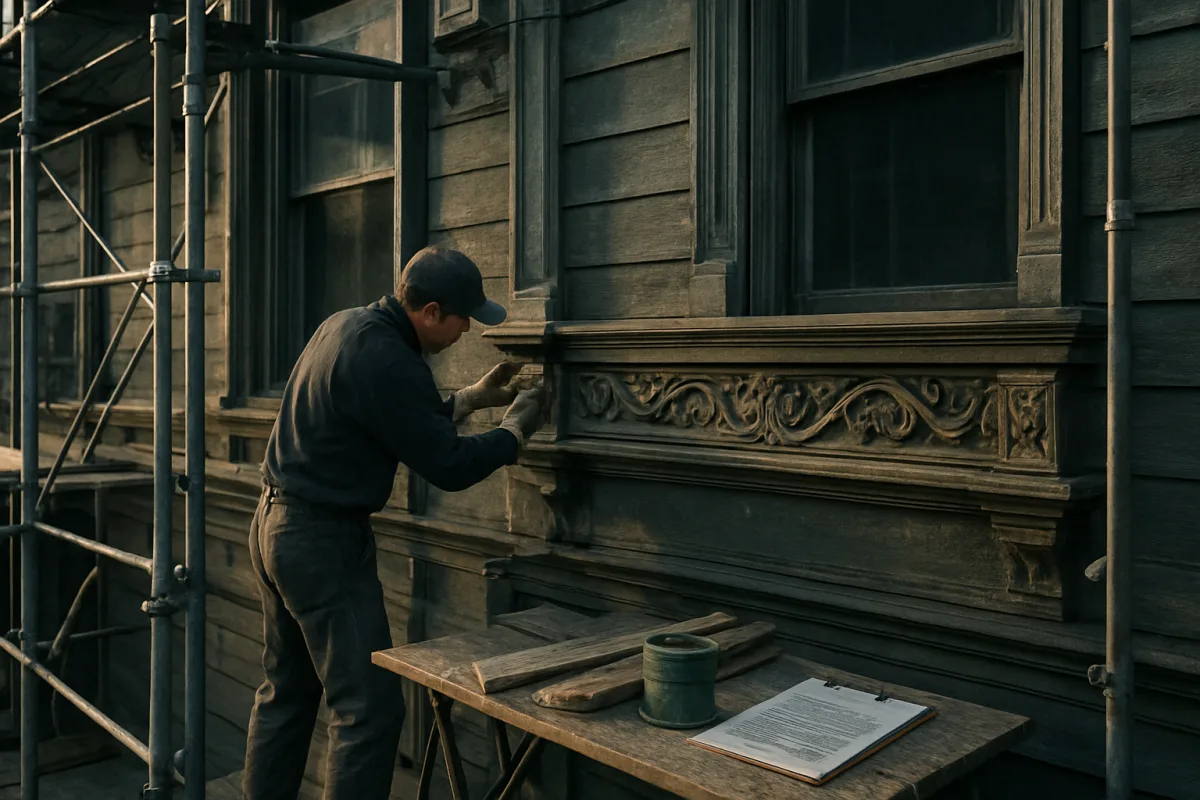
The replacement-window proposal is where historic-district ownership becomes real
A window contractor’s quote may look like an ordinary repair decision: replace drafty wood sashes with new insulated units, choose a color, set an installation date. In a historic district, that same quote can begin a public approval process.
The central system to understand is design review. A local historic preservation commission, board, or similar body evaluates proposed changes against the district’s rules before work begins. Its decision can shape your materials, contractor, cost, mortgage timeline, and even whether a planned alteration can proceed.
Historic-district rules generally focus on visible features that create a building’s historic character. Exterior windows, doors, roofing, siding, porches, masonry, trim, additions, fences, and sometimes paint colors can all fall under review, depending on the local ordinance. [5]
The governing rules are local. National standards provide an important framework, but your city’s ordinance and commission procedures control what you must submit, which work requires approval, and what may happen if work starts without it. [1][5]
What the preservation standards ask you to do
The U.S. National Park Service’s Secretary of the Interior’s Standards for Rehabilitation begin with a preservation-minded order of operations. Maintain and repair historic features first. Replace them only when deterioration is too extensive to repair. [1][2]
That approach changes the math on an old house. A contractor may be able to install readily available vinyl windows quickly, but the commission may require repair of original wood windows or replacements that match the originals’ design, material, profile, color, and texture. [1][2]
The standards do not require a house to remain frozen in time. New work can be allowed, including additions and necessary upgrades, when it is compatible with the historic property while remaining distinguishable from the original structure. [1]
A new rear addition, for example, may need to use a scale, placement, and materials that fit the building and district. It generally should not create a false historical appearance by copying old details in a way that makes new construction look original. [1][2]
This is why the replacement-window proposal matters. It forces a specific comparison between what is there, what can be repaired, what the local rules permit, and what a commission will approve. A listing’s phrase “historic charm” does not answer any of those questions.
Who decides, and what you submit
The local preservation commission is usually the decision-maker for exterior alterations in a designated district. It may be called a Historic District Commission, Landmarks Preservation Commission, Board of Architectural Review, or another local name. [5]
Your application typically needs enough detail for reviewers to see the proposed work. That can include photographs of existing conditions, drawings, elevations, material samples, product specifications, a site plan, and an explanation of how the work meets district standards. [5]
The commission’s role is separate from the building department’s role. Preservation review addresses historic-district compliance, while a building department permit addresses code, safety, and construction requirements. You may need both approvals before work can start. [15]
New York City illustrates the sequencing issue. The city’s Landmarks Preservation Commission, commonly called LPC, and the Department of Buildings, or DOB, can each be part of a renovation path, and their reviews need to be coordinated. [15]
In Charleston, the Board of Architectural Review, or BAR, requires a Certificate of Appropriateness before exterior work. Starting without the required approval can lead to fines and an order to reverse the work, which can mean paying once to install it and again to remove it. [14]
We would ask for the district designation, local ordinance, application forms, and records of prior approvals for the property before treating any renovation allowance as reliable. The cheapest contractor quote is not useful if its proposed work cannot receive approval.
The local rules can be far apart
A historic-district label does not produce one national set of restrictions. The property’s address determines the controlling ordinance, the reviewing body, the submission requirements, and the timeline. [5]
Ann Arbor provides a strict example: exterior work requires Historic District Commission approval, and the city describes an application process that can involve public participation. That can make a visible repair a longer project than the same repair outside the district. [13]
New York City has detailed rules affecting development in historic districts, including special permit provisions for some residential development. Larger proposals can encounter both landmark and zoning review. [12]
Austin’s historic district framework reflects another local layer: designation itself is tied to owner support and standards concerning the area’s historic integrity and alteration history. The rules that create a district are not necessarily the rules that govern every later project. [3]
Atlanta shows the political side of designation. Axios reported that a proposed Peachtree Circle historic district was shelved, demonstrating that district boundaries and protections can be contested before they ever affect a particular house. [4]
For a buyer, the lesson is narrow but important: do not rely on a general historic-home checklist. Call or consult the commission serving the specific address, because a nearby district, another neighborhood, or another city may operate differently.
Approval time becomes carrying cost
A preservation review is not only a design issue. It is a calendar issue, and the calendar affects the money you spend while waiting to begin work.
In New York City, LPC and DOB review can take 6 to 15 months before construction begins. Once approved, construction can last from six months to more than two years, depending on the scope of the project. [15]
Those figures are not a national timeline. They show why a renovation schedule cannot begin with the contractor’s estimated workdays alone. The schedule must include drawing the plans, preparing the application, commission review, revisions, permits, and contractor availability.
Delays can create carrying costs for an owner paying a mortgage, property taxes, insurance, utilities, and temporary housing while a major project waits. We found no published data that quantify those costs nationally, so you should calculate them using your own expected monthly housing expenses.
Specialized contractors can add another delay. Historic work often requires tradespeople who know how to repair old plaster, repoint masonry, restore wood windows, work with slate roofing, or reproduce original millwork. [6]
Starting before approval is a common mistake. It can turn an ordinary renovation into a correction project, especially when a commission requires unapproved exterior work to be changed or removed. [14]
Why the approved material costs more
Historic-district review can increase cost because it narrows the materials and methods available to you. The approved approach may involve repair labor, custom fabrication, or products made to match existing historic features.
Renovations of historic homes can cost 20% to 40% more than comparable work on non-historic homes. Specialized contractors, permitting complexity, and historically appropriate materials are major drivers of that premium. [6]
Exterior maintenance can run 2.5 to 4 times the cost of maintenance on a standard home. Original-profile wood windows and slate roofing are examples of features that may require more expensive materials and skilled labor. [7]
Consider a deteriorated wood window. The lower initial quote may be a standard replacement window, but the permitted solution may be sash repair, custom muntin patterns, a matching wood replacement, or another commission-approved option. The eventual cost depends on the local decision.
Insurance can also be higher because replacement cost estimates need to account for specialized materials and construction methods. [11] Ask your insurer how the policy handles matching materials and repairs required by historic-district rules, not only the home’s market value.
Historic preservation tax incentives exist, but they require compliance with applicable standards. They are not a reason to assume that a planned project will qualify, because eligibility depends on the project and program requirements. [1]
Inspections identify work before you inherit it
The standard inspection is your starting point, not the complete inspection plan for an older property. Standard home inspections cost about $300 to $700. [10]
Older homes can require separate specialist reviews for issues outside a general inspector’s scope. Lead-based paint inspection typically costs $300 to $500, asbestos inspection $400 to $800, and a structural engineering review $500 to $1,000. [10]
At the low end, a standard inspection plus lead, asbestos, and structural inspections adds $1,500. At the high end, the same set reaches $3,000, before any sewer, roofing, electrical, or other specialized evaluation that may be appropriate for the property’s condition. [10]
Those inspection figures are fees for evaluating conditions, not repairing them. A structural engineer may identify movement, water damage, or foundation concerns, while a lead or asbestos inspection may identify hazards that affect renovation planning and contractor procedures.
We would use the inspection period to separate three lists: immediate health or safety issues, repairs needed to preserve the building, and upgrades that require commission approval. That organization helps you see which costs are urgent and which are subject to a design-review timeline.
Financing, appraisal, and closing mechanics
Historic homes can be harder to appraise because appraisers may have fewer comparable sales with similar age, condition, district status, and preservation restrictions. A lower appraisal can complicate financing if the contract price exceeds the lender’s appraised value. [11]
Restrictions can also affect a lender’s view of renovation risk, insurance needs, and the property’s marketability. Buyers may face stricter lending criteria and potentially higher interest rates, though no specific national rate difference is available. [11]
Ask mortgage professionals who work with historic properties how they will document the home’s condition, insurance, planned repairs, and comparable sales. If the property needs major work, ask how the lender treats repairs that cannot start until local approvals are in hand.
There is no comprehensive national data showing that closing costs are higher for historic-district purchases, and no direct data showing a distinct escrow process or extra escrow charge because a home sits in a historic district. [9]
Your escrow process may still include the ordinary closing tasks: holding earnest money, coordinating lender and title requirements, collecting funds, and paying authorized parties at closing. What changes is the property risk you identify before closing, not a documented separate historic-district escrow system.
A lender may require repairs, insurance documentation, or additional appraisal support based on the property’s condition. Those requirements are property-specific, so get them in writing early enough to compare them with your inspection and preservation-review timetable. [11]
Put the approval record in your purchase file
Request prior Certificates of Appropriateness, permits, commission correspondence, and records of completed exterior work. They can show whether visible changes were approved and whether a future repair may involve restoring a feature that was altered without permission.
Then ask the local commission what work needs approval, what submission materials it expects, when it meets, and whether the property has prior conditions or pending enforcement issues. A preservation architect or contractor experienced in that district can help translate those answers into a workable scope. [5]
The house may come with original windows, slate, brick, and trim that make it compelling. In a historic district, those same elements can also set the rules for the work, the budget, and the time required to make the house yours.
Frequently Asked Questions
What should I know before buying a home in a historic district?
Before buying, understand that local historic district rules and preservation commission processes govern exterior changes and can affect renovation plans, costs, and timelines. Renovations typically cost 20% to 40% more than similar non-historic work, and exterior maintenance can be 2.5 to 4 times more expensive if original materials are required. Approval processes can also delay construction by several months, so factor this into your financing and move-in schedule.
How do historic district rules affect home renovations?
Historic district rules focus on preserving visible features that define a building’s historic character, such as windows, doors, roofing, and siding. Repairs are preferred over replacements, and any new work must match or be compatible with the original materials, design, and texture. Exterior alterations usually require approval from a local preservation commission before permits or construction can begin.
What inspections are needed when buying a historic home?
In addition to a standard home inspection, which typically costs $300 to $700, buyers should budget for specialized inspections such as lead paint, asbestos, and structural reviews. These specialized inspections can each add $300 to $1,000 to the cost and are important to identify potential hazards or structural issues common in older homes.
How much do renovations cost in a historic district?
Renovations in historic districts generally cost 20% to 40% more than comparable work on non-historic homes. Exterior maintenance can be 2.5 to 4 times more expensive when original materials or profiles must be used, due to the need for specialized contractors and materials that match historic features.
Who approves exterior changes in a historic district?
Exterior changes are usually approved by a local historic preservation commission, which may be called a Historic District Commission, Landmarks Preservation Commission, or Board of Architectural Review. Applicants must submit detailed plans, including photos, drawings, material samples, and explanations of how the work meets district standards for review before work can begin.
How we researched this
This article was assembled from 16 cited references.
Nothing here is based on hands-on testing. Where a figure or finding appears, it belongs to the source cited beside it, and the writing says so rather than implying otherwise. Every source is listed below so you can check it.
Sources
- The Secretary of the Interior's Standards for Rehabilitation - Historic Preservation Tax Incentives (U.S. National Park Service)
- Guidelines for Rehabilitating Historic Buildings (U.S. National Park Service)
- Local Historic Districts | Austin Planning | AustinTexas.gov
- Atlanta halts Peachtree Circle historic district proposal
- Historic District Regulations, Overlays, and Preservation Rules - LegalClarity
- Renovating a Historic Home: Contractor Requirements, Permit Complexity, and Cost Premiums | Top General Contractors
- Selling a Home in a Historic District: What Deed Restrictions and Landmark Designations Actually Mean for Your Sale
- eppraisal
- Closing Costs 2026: Average by State and What's Included
- How Much Home Inspection: 2026 Cost Guide for Buyers - InspectandTest
- Historic Home Mortgage 2026: Financing, Renovation Restrictions, and Tax Credits | Vicario Market Intelligence
- § 74-712, Developments in Historic Districts | New York City Administrative Code (current through L.L. 2026/147, enacted September 12, 2026, and amendments effective through October 10, 2026)
- Applications | City of Ann Arbor
- Common Mistakes in Historic Home Renovations
- NYC Historic District Renovation: LPC & DOB Sequencing Guide
- Renovating in 2026? These are the mistakes that nearly broke me - and the resolutions that saved my sanity
Related Articles

Buying a Home with a Basement: What You Need to Know
Learn key tips for buying a home with a basement, including inspection, water issues, foundation concerns, and budgeting for repairs.
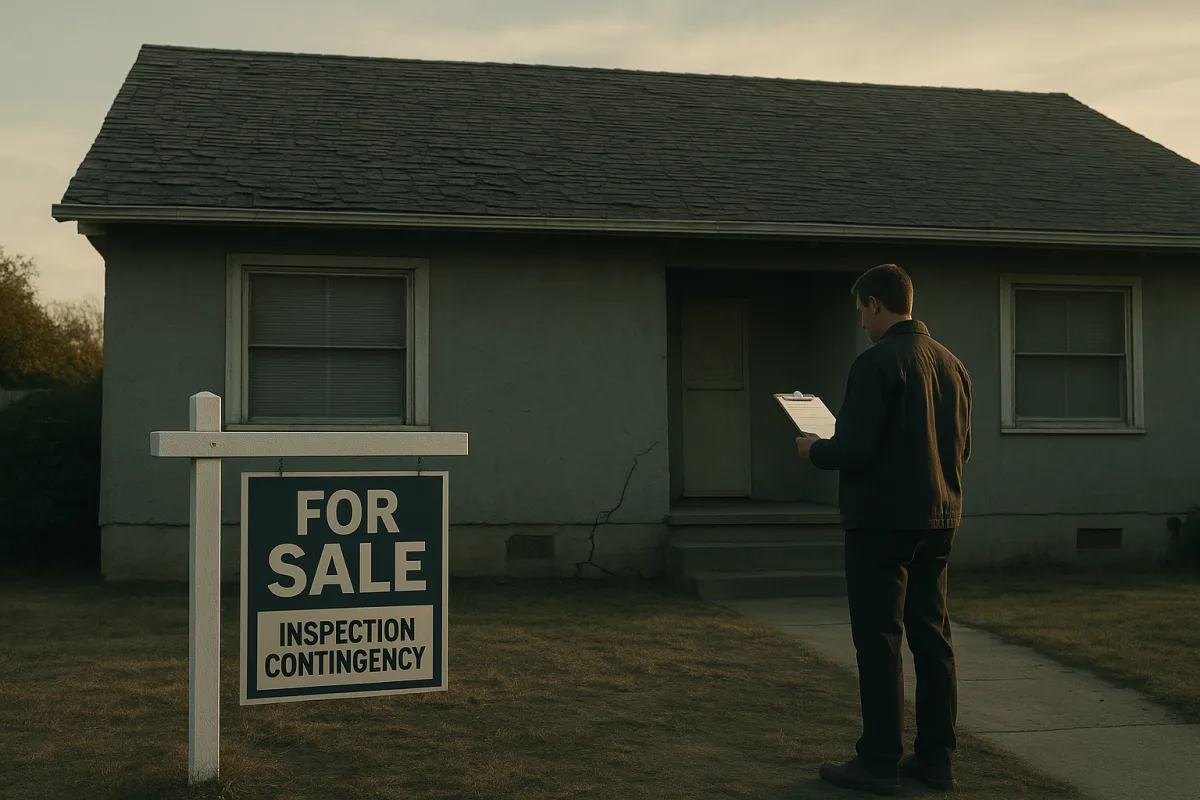
Inspection Contingency in Competitive Home Buying
Learn how inspection contingencies affect your offer and financial risk when buying a home in a competitive market.
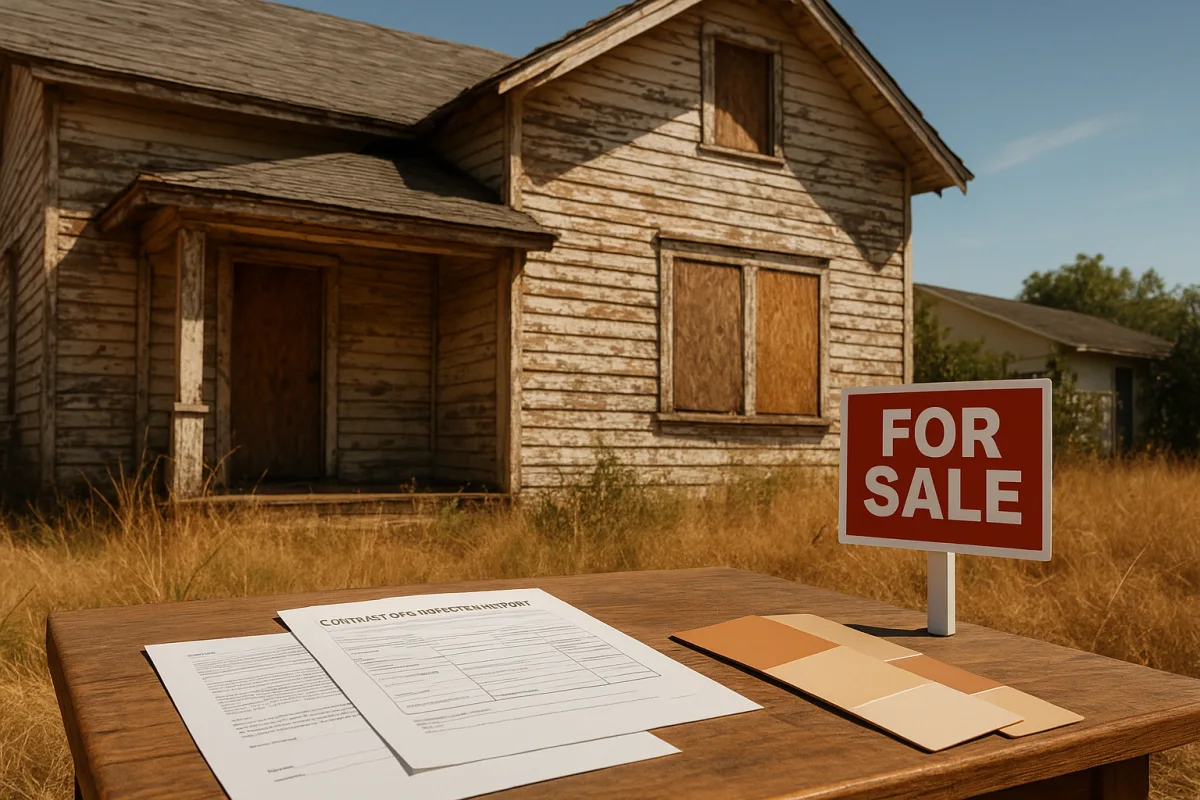
Risks of Buying a Foreclosure: What Buyers Need to Know
Learn the risks of buying a foreclosure, including repair costs, title issues, and hidden expenses to avoid costly mistakes.
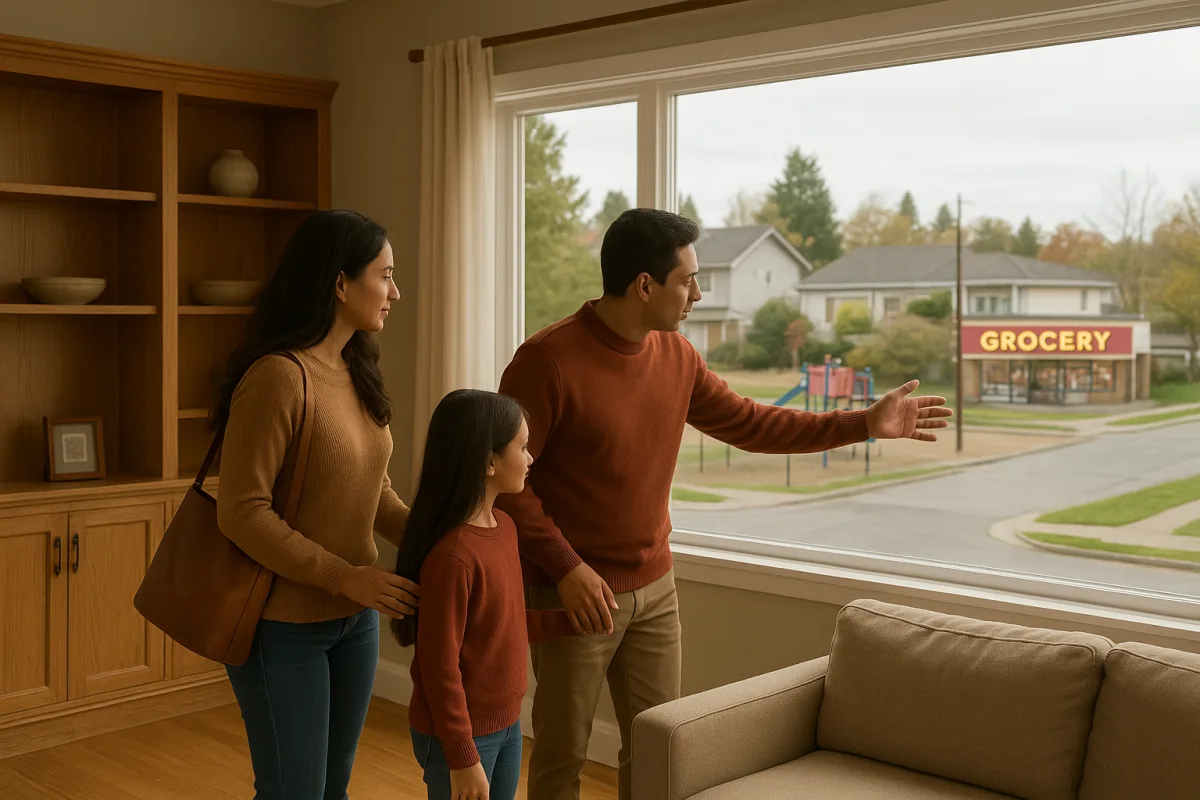
How to Find a Home with Good Resale Value
Learn how to find a home with good resale value by evaluating location, schools, condition, and costs before buying.