
Home Repairs Before Selling: Prioritize and Budget Smartly
Learn how to prioritize and budget home repairs before selling to attract buyers and avoid costly concessions.
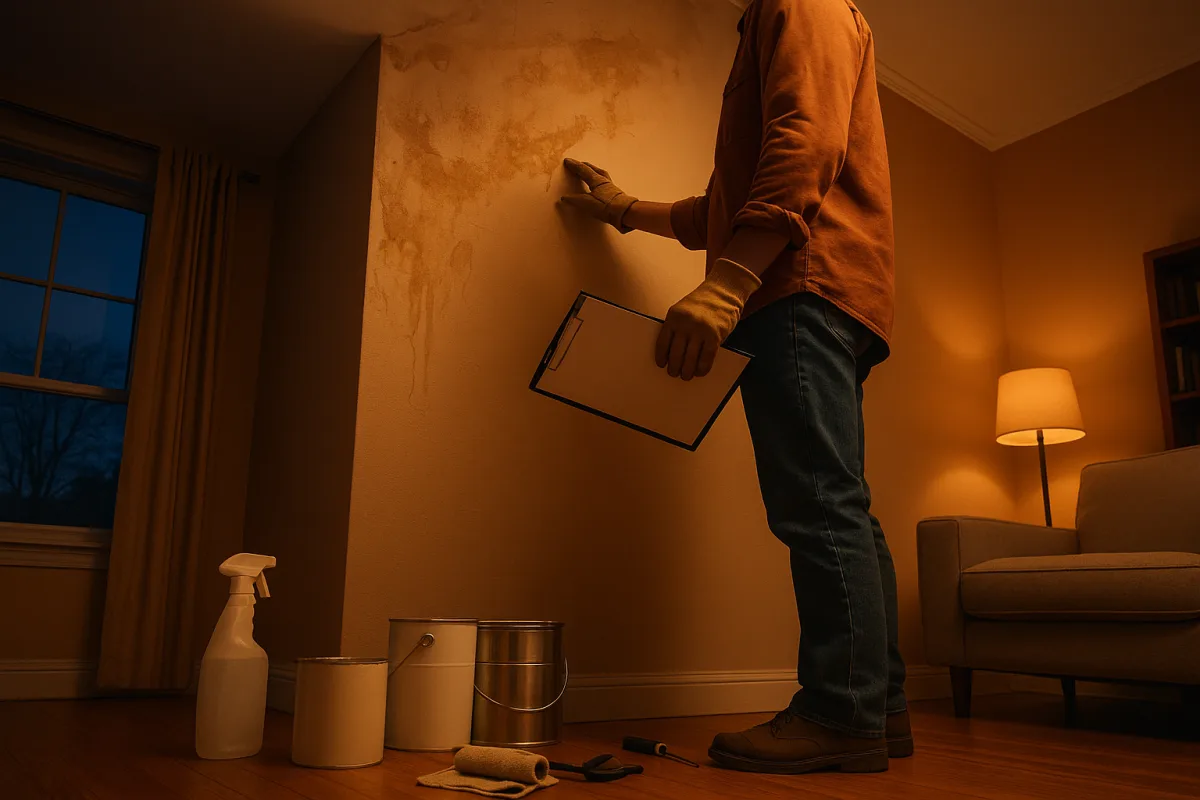
Start by finding the defects buyers will price hardest
The first repair decision is not paint color or landscaping. It is whether the house has a condition likely to alarm a buyer, appear in an inspection report, invite a large concession request or derail a contract.
A pre-listing inspection gives the seller time to choose the contractor, obtain estimates and complete work without a buyer’s deadline. My Home Advisor puts the typical national cost at $300 to $500, while the research brief gives an average of about $425. [13]
That inspection is not a guarantee that a buyer’s inspector will find nothing. It is a planning tool. If it identifies a roof leak, aging HVAC equipment, electrical hazard, plumbing defect or drainage problem, you can evaluate the cost before the listing goes live.
Put safety, water and structural items at the top of the list. In the fragile 2026 market, Axios reported that 6% of listings were withdrawn in July 2026, against a backdrop of low sales volume and high prices. [1]
That does not prove repairs caused those withdrawals. It does mean sellers have less reason to assume buyers will overlook obvious defects, especially defects that affect financing, insurability or the ability to move in.
Price the big inspection flags before deciding what to repair
Roofing problems can range from a roughly $150 minor repair to more than $7,000 for major structural work, according to Home Worth HQ. A full roof replacement is commonly estimated at $7,000 to $15,000. [8]
A seller does not automatically need to replace every older roof. The practical question is whether there is active leakage, damaged shingles, failed flashing, visible deterioration or a remaining-life concern likely to dominate the inspection negotiation.
HVAC is another frequent buyer concern. A routine tune-up is often $75 to $200, but replacement components or system work can reach $8,000, and systems older than 15 to 20 years can draw scrutiny. [10]
If the system works, service it, retain the invoice and address known defects. If it does not cool, heat or drain properly, waiting for the buyer’s inspection may turn a manageable repair into a credibility problem.
Electrical-panel issues can lead to concessions in the $1,800 to $3,500 range, while old plumbing can cost roughly $1,500 to $6,000 to address. Sewer-line defects are more serious, with estimates of $4,000 to $12,000. [10]
These are not cosmetic choices. They are examples of conditions where a buyer may worry about immediate move-in costs, future damage or lender and insurer requirements, even when the seller’s estimate is lower.
Failed window seals are often less consequential but still visible. The research brief estimates $150 to $400 per window, and repairing a cluster of fogged windows may improve both presentation and the sense that maintenance has been deferred. [10]
Grading and drainage deserve similar attention because they can suggest moisture or foundation risks. Repairs are estimated around $800 to $2,500, a potentially smaller expense than the buyer discount requested when standing water or poor runoff is visible. [10]
Adjust the list for your climate and season
A repair plan should reflect what the local climate does to homes. In the Northeast, roofs commonly last 20 to 28 years, but freeze-thaw cycles and ice dams can create damage that deserves a close look before winter weather returns. [14]
In the Pacific Northwest, moisture and mold concerns can shape an inspection more than they would in a dry climate. Sellers there should pay attention to ventilation, roof and siding moisture paths, drainage and any staining. [14]
Southeastern homes face a different cluster of risks: humidity, hurricane exposure, faster roof degradation and potential foundation movement. LunsPro notes that regional inspection needs can be shaped by those climate-specific pressures. [15]
Cold-weather sellers should check heating performance and pipe insulation. In storm-prone areas, gutter maintenance, roof condition and window protection may deserve priority, particularly if seasonal weather could delay contractors or worsen an existing problem. [14][15]
This is also a scheduling issue. Do not book exterior work so late that rain, snow, heat or a storm season can push it past photography or the expected listing date.
Separate repairs from improvements
Once the inspection-driven work is scoped, divide the remaining tasks into low-cost presentation repairs and optional upgrades. This keeps a seller from treating every worn feature as a renovation project.
Presentation repairs address what buyers see in the first minutes: scuffed walls, dirty grout, loose handles, dated light fixtures, overgrown beds, stained siding and a front door that looks neglected. These small signals can accumulate into a maintenance concern.
Fresh, neutral interior paint is among the more cost-conscious choices. Professional interior painting is estimated at $1.50 to $3.50 per square foot, while a DIY paint job for a 1,500-square-foot home may run about $200 to $400 in materials. [3][6]
The right calculation is not simply whether paint has a reported return on investment. It is whether the current color, wear or patching will distract buyers in photographs and showings, and whether the finish fits comparable local listings.
The research brief cites painting at about 107% ROI, but ROI figures are not a check written at closing. They are broad estimates, and your result depends on local buyer expectations, sale price, labor cost and timing. [3]
Deep cleaning and decluttering should be treated as repair-adjacent work, not as an afterthought. Zillow identifies presentation mistakes as a seller risk, and a clean, accessible home makes the condition buyers are evaluating easier to understand. [20]
Fix the approach to the house before funding a remodel
Curb appeal has a short window to work, but it matters because buyers and their inspectors begin forming impressions before entering. Start with the front walk, exterior cleaning, mailbox, planting beds, door and visible trim.
Mulch can cost about $50 to $150, power washing about $50 to $200, and a replacement mailbox about $35 to $70. Tom’s Guide highlighted these as relatively inexpensive exterior changes rather than major landscaping projects. [7]
A front-door refresh, updated house numbers, functioning exterior lights and a clean entry can be sensible when the existing items look worn. Keep selections neutral and durable rather than highly personal, because custom taste does not automatically translate into buyer value.
A garage-door replacement is a larger example of a targeted exterior improvement. A1 Garage estimates an average cost near $4,000 and cites an 88% ROI, while the research brief also references garage-door work as a high-return improvement. [5]
Those figures should not be read as a promise of $3,520 added to your sale price. They show why a visibly damaged, outdated or poorly functioning garage door may be worth comparing against the cost of leaving it in place.
Refresh the kitchen without creating an expensive mismatch
Kitchens influence buyer attention, but they are also where sellers most easily over-improve. A minor update can range from about $100 for small changes to $16,000 for major work, according to Real Time Repairs. [10]
The more restrained category includes replacing worn hardware, improving light fixtures, cleaning or refinishing surfaces where appropriate, repairing cabinet doors and addressing obvious appliance or plumbing defects. These measures can improve usability without forcing a full design reset.
A minor kitchen remodel is commonly estimated at $15,000 to $28,000. That range may make sense when the existing kitchen is visibly damaged or severely behind competing homes, but it requires an honest comparison with nearby listings. [3]
Do not use a luxury kitchen as a default selling strategy. The research brief identifies $25,000 to $75,000 luxury kitchen projects as a common over-renovation mistake, especially when the neighborhood does not support the finish level. [18]
Avoid highly personalized selections, including bold kitchen choices that narrow the buyer pool. Livingetc warns that some distinctive kitchen decisions can hurt resale appeal, which is a reason to favor broadly acceptable finishes when updates are necessary. [19]
Build a repair budget before contractors start work
Set a preliminary repair allowance of 1% to 3% of the home’s value, then allocate that money in order: safety and structural defects first, water and systems second, visible maintenance third, and discretionary upgrades last. [4]
For a $400,000 home, that framework is $4,000 to $12,000. It is not a required spend, and it is not a predicted increase in value. It is a guardrail for deciding what deserves estimates.
Keep the project total below 30% of the home’s value unless there is unusually strong evidence that the local market supports more. Spending $120,000 on a $400,000 home would exceed that guideline before carrying costs or selling expenses are considered. [4]
Get written scopes that separate diagnosis, labor, materials, permits and optional upgrades. If a roofer says flashing repair is necessary and a replacement is optional, those should be distinct numbers, because they solve different selling problems.
I am not a licensed real estate agent, lender or financial adviser. This is not a recommendation to sell now, delay a sale or finance repairs, and the right decision depends on your property, rate, market, cash position and timeline.
Work backward from photography, not from listing day
Major repairs should start eight to 12 weeks before the intended listing date. Major renovations can take four to eight weeks, while smaller repairs often require seven to 14 days, before allowing for estimates, permits and weather. [11]
Complete strategic repair work six to eight weeks before listing. That gives you time to correct workmanship problems, repaint touched-up areas, clean construction dust and avoid photographs that show half-finished projects. [11]
Use the four-to-six-week window for decluttering, deep cleaning and staging. Photography should follow two to four weeks before listing, after the exterior and interior are fully presentable rather than merely technically repaired. [11]
Avoid beginning a major project inside the final 30 days. A delayed cabinet, failed permit inspection or contractor reschedule can leave a seller choosing between postponing the listing and showing a house that signals unfinished maintenance. [11]
Document the work without overselling it
Save inspection reports, paid invoices, transferable warranties, permits and before-and-after records where appropriate. Buyers may still order their own inspections, but clear documentation can show that a known issue was addressed rather than concealed.
Do not describe a repaired item as new if it was serviced, patched or partially replaced. Precision matters. “HVAC serviced in August, invoice available” is more useful and defensible than implying a tune-up created a new system.
Finally, walk the house as a buyer would. Test doors, lights, faucets, garage operation, exhaust fans and visible outlets, then look for chipped paint, loose hardware, stains and exterior debris that suggest unfinished work.
The aim is not to turn every home into a renovated model. It is to remove the defects that create buyer fear, reduce the visible maintenance backlog and spend only where the likely appeal justifies the cost.
Frequently Asked Questions
What home repairs should I prioritize before selling?
Start with a pre-listing inspection to identify health, safety, water-intrusion, structural, and system defects. Prioritize fixing issues like roof leaks, electrical hazards, plumbing defects, drainage problems, and HVAC malfunctions before cosmetic upgrades. These repairs address buyer concerns that can derail contracts or financing.
How much should I budget for home repairs before selling?
Plan to spend roughly 1% to 3% of your home’s value on pre-sale repairs. Avoid projects that push spending beyond 30% of the home’s value unless supported by local market conditions. A pre-listing inspection typically costs between $300 and $500.
What are common costly repairs to address before selling a home?
Common costly repairs include roof repairs or replacement ($150 to $15,000), HVAC servicing or replacement ($75 to $8,000), electrical panel upgrades ($1,800 to $3,500 in concessions), plumbing repairs ($1,500 to $6,000), sewer line fixes ($4,000 to $12,000), window seal repairs ($150 to $400 per window), and grading or drainage corrections ($800 to $2,500).
How does local climate affect home repairs before selling?
Local climate influences which repairs are most urgent. For example, Northeast homes face freeze-thaw and ice dam damage affecting roofs; Pacific Northwest sellers should watch for moisture and mold issues; Southeast homes may experience faster roof degradation and foundation shifting due to humidity and storms. Seasonal timing of inspections and repairs is important to avoid weather delays.
How we researched this
This article was assembled from 23 cited references.
Nothing here is based on hands-on testing. Where a figure or finding appears, it belongs to the source cited beside it, and the writing says so rather than implying otherwise. Every source is listed below so you can check it.
Sources
- The housing market's fragile place
- Profit margin on flipping a home is at a 17-year low due to high prices
- How to Increase Home Value: 15 Proven Ways (with ROI Data) | Opendoor
- Home Selling Secrets 2026: Best ROI Upgrades, Cheap Fixes & Staging Tips | Las Vegas
- Best Home Renovations for High ROI [2026] | A1 Garage
- The Best Low-Cost Home Improvements That Actually Pay Off in 2026
- Forget renovations: I found 5 upgrades under $50 that will transform your home's curb appeal in a single weekend
- Roof Repair Cost in 2026: What You'll Actually Pay (By Problem)
- A Complete Spring Home Maintenance Checklist
- How Much Do Home Repairs Cost in 2026? Complete Guide | Real Time Repairs
- How Long Does It Take To Sell a House in Glen Burnie MD?
- How to Increase Home Value Before Selling: FSBO Guide 2025
- Pre-Listing Home Inspection in 2026: The Seller's Secret Weapon to Avoid Repair Renegotiation | My Home Advisor
- How Local Climate Conditions Shape the Home Inspection Process - 100 Mile Home Inspections - Snohomish County, Granite Falls, Lake Stevens, Arlington, Marysville, Everett, Lynwood
- Why Southeast Climate Demands Specialized Inspections | LunsPro
- Property Inspection Norms by Region: What Homeowners and Movers Need to Know | United Local Movers
- Average Repair Cost Before Selling House by State: 2025 Report - ibuyhaus
- Top Mistakes Fixing Homes Before Selling (… | HouseGoodbye Blog
- 3 Bold Kitchen Choices Experts Urge You to Avoid - These May Hurt Your Home's Re-Sale Value When You Put Your Home on the Market
- 10 Mistakes to Avoid When Selling Your Home | Zillow
- A checklist for prioritizing repairs and upgrades before listing your home - Homes.com News
- These 5 small front garden upgrades can add serious value to your home, according to estate agents
- The Most Common Mistakes Sellers Make Before Listing Their Home | Renovation Sells Blog
Related Articles

Negotiating Home Repair Requests During the Selling Process
Learn how to negotiate home repair requests effectively and control costs during the selling process with practical tips and repair budgeting advice.
Increase Home Value Before Selling
Learn how to increase home value before selling with smart repairs, exterior upgrades, and budgeting tips for the best return on investment.

How to Sell a House Fast: Proven Strategies for Quick Sales
Learn how to sell a house fast with pricing tips, pre-listing inspections, and marketing strategies to close quickly in any market.
Buying a Home with a Basement: What You Need to Know
Learn key tips for buying a home with a basement, including inspection, water issues, foundation concerns, and budgeting for repairs.