
How to Sell a House by Owner: Step-by-Step FSBO Guide
Learn how to sell a house by owner with tips on pricing, marketing, disclosures, and closing costs to save on agent commissions.
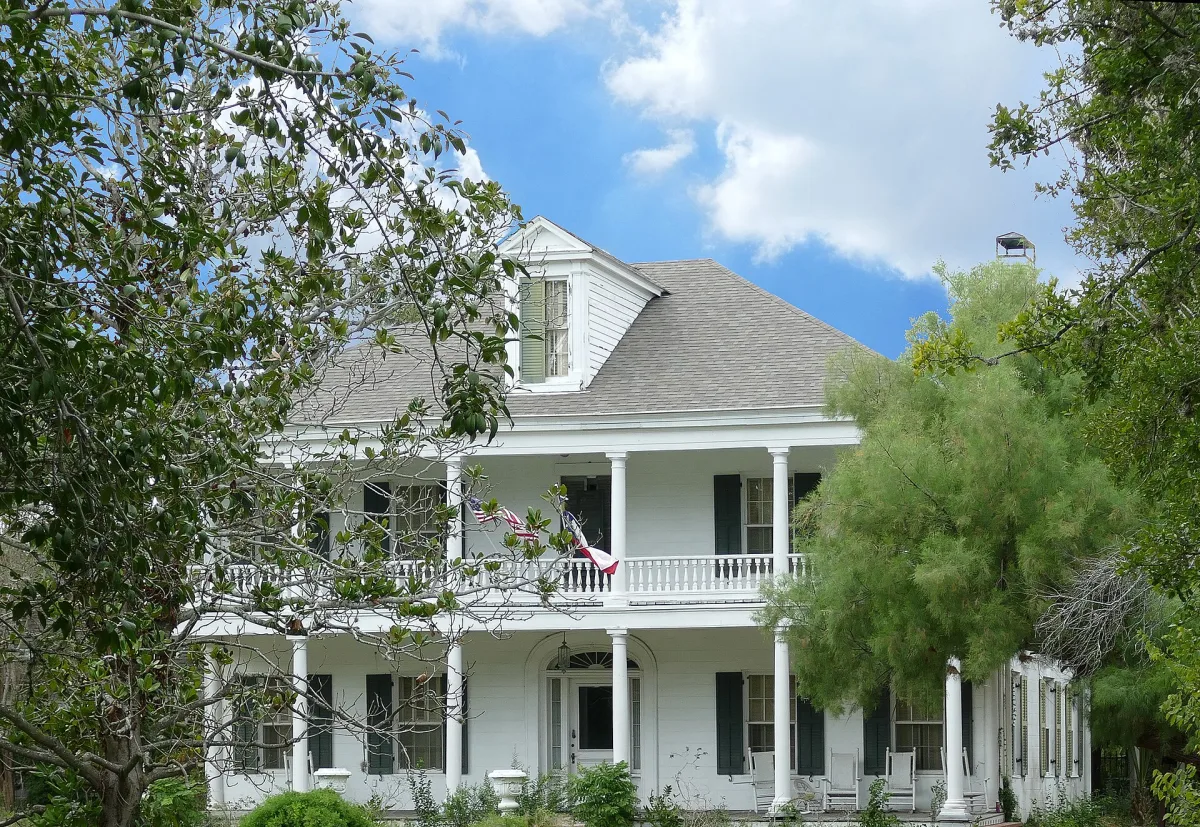
Photo: Jim Evans, CC BY-SA 4.0, via Wikimedia Commons
Set your savings target and selling budget
The yard sign is the visible part of a for-sale-by-owner sale. The financial goal is usually the listing-agent commission you avoid, typically 2.5% to 3% of the price, or roughly $10,000 to $12,000 on a $400,000 home. [8]
That saving does not mean the transaction has no costs. FSBO seller closing costs generally run 1% to 3% of the sale price, or about $4,000 to $12,000 on a $400,000 sale, for items such as transfer taxes, title insurance, escrow fees, and recording fees. [13]
Some selling-cost estimates reach 8% to 10%, but those figures can include agent commissions. For an owner selling without a listing agent, we would separate the listing commission from transfer and closing charges so you can see what you are actually saving. [4][13]
You may also choose to offer compensation to the buyer’s agent. It is not legally required, but buyer agents may be less likely to bring clients to a home that offers no compensation, which can narrow interest in your listing. [8][17]
Prepare the house and assemble the paperwork
Start with the property’s condition, because buyers will compare your home with professionally listed homes in the same price range. Clean, repair obvious defects, organize records for improvements, and make the house ready for photography and in-person visits. [2][15]
A pre-listing inspection can identify problems before a buyer uses an inspection contingency to reopen negotiations. General pre-inspections commonly cost $300 to $500, while pest and radon inspections can add to that outlay. [3][5]
Gather the disclosures required where you live before accepting offers. Federal law requires lead-paint disclosures for homes built before 1978, while state and local rules can require additional notices about the property’s condition or history. [3][16]
You also need to market and show the property in compliance with federal fair housing laws. Avoid language or screening practices that could indicate a preference for, or exclusion of, protected groups. [3][16]
Price the home from comparable sales
A comparative market analysis is your pricing worksheet. Pull recent sales of similar nearby homes, then account for differences in square footage, condition, location, upgrades, lot size, and features that a buyer can see during a showing. [2][5]
Price affects both your timeline and your leverage. Homes listed at or below market value have a reported median 14 days on market, while an overpriced listing can remain available for 10 weeks or longer. [7]
National Association of Realtors data reported by Nolo puts the median FSBO sale at $360,000, compared with $425,000 for agent-assisted sales. Those figures do not establish why every home sells for less, but they show why a commission saving should be measured against the final price. [8]
FSBO homes also commonly take longer to sell. Reported median timelines are 60 to 90 days for owner sales, compared with 55 to 70 days for agent-assisted listings, with pricing, local demand, and marketing reach affecting either outcome. [14]
Put the listing where buyers can find it
An accurate listing starts with the basics: price, beds, baths, square footage, location, property features, improvement history, and clear disclosure information. Buyers cannot compare a home they cannot understand from the listing page. [4][6]
MLS exposure is central because buyer agents commonly search it for homes that meet client criteria. Some owners cannot directly access the MLS, so a flat-fee listing service can place a FSBO property there. [4][18]
ByOwner.com is an FSBO-focused listing website that offers owners a path to market their homes themselves. Beycome is another service that ranks among FSBO listing options and can help sellers seeking listing exposure without a traditional listing agreement. [18][19]
Professional photography commonly costs $200 to $500, and it belongs in the selling budget before paid advertising or elaborate staging. We would pay for photographs and an MLS listing before spending on cosmetic digital enhancements. [7][15]
Virtual tours, social media advertising, and email campaigns can extend the listing beyond a yard sign and a single website. AI-generated virtual staging needs care, because a buyer who finds the actual rooms materially different may feel misled and raise legal or satisfaction concerns. [7][15]
Schedule showings and present the property clearly
Set a showing process before inquiries arrive. Keep the home clean, make access straightforward, and establish times for individual appointments or open houses so interested buyers can see the property without repeated last-minute disruption. [4][6]
During a showing, answer direct questions with records and disclosures where possible. Do not conceal known defects or use a casual verbal answer in place of a required written disclosure, since the paperwork follows the property into the transaction. [3][16]
Good presentation does not replace accurate pricing. A clean house with strong photos may bring more people through the door, but the comparable sales and the terms of competing listings still shape what buyers will offer. [2][7]
Decide on buyer-agent compensation before offers arrive
Put your buyer-agent compensation policy in the listing before agents start calling. The amount is locally variable, and no single national figure in the available data establishes what you must offer in your market. [8][17]
The key is exposure. A buyer who has hired an agent may rely on that agent to arrange tours, interpret the contract, and submit the offer, so refusing compensation can reduce the number of agents willing to show the home. [8][17]
Treat any offered compensation as part of your net-proceeds calculation. A higher offer that includes buyer-agent compensation may leave you with less than a lower offer with fewer seller-paid costs, depending on the complete contract terms. [5][9]
Compare offers by net proceeds and contract terms
An offer is more than the price printed at the top. Review the proposed closing date, financing terms, inspection provisions, appraisal terms, requested seller concessions, buyer-agent compensation, and any personal-property requests before responding. [3][5]
Negotiation is where an owner takes on work that a listing agent would otherwise handle. Weak negotiation can cost money through price reductions, repair concessions, or terms that create an avoidable delay before closing. [15][17]
Keep counteroffers in writing and make sure the purchase agreement reflects the final deal. A verbal agreement about repairs, included appliances, or credits can create conflict if it does not appear in the signed contract. [3][16]
We would have a local real estate attorney review the purchase contract before accepting it, especially if the buyer has added unusual contingencies or seller obligations. Attorneys may charge a flat fee or roughly $150 to $350 per hour. [16]
Open escrow and complete the buyer’s due diligence
After both parties sign the contract, the transaction moves into escrow. A title company or attorney typically coordinates funds, documents, title work, and the steps required to transfer ownership under local practice. [3][6]
The buyer may schedule inspections and an appraisal during this period. Be ready to provide access and respond to requests through the contract process, because inspection findings can lead to repair negotiations, credits, or a buyer cancellation if the agreement permits it. [3][5]
State rules can change the paperwork and timing. New York and Massachusetts are among states where attorney involvement in real estate closings is common, while Washington state’s rules effective in 2026 include buyer appraisal rights and contract-cancellation options. [16]
Do not assume an online form package covers your state’s requirements. Local disclosure rules, contract rules, title practices, transfer taxes, and deadlines vary widely, and an attorney can identify obligations before they become a closing problem. [3][16]
Reconcile closing costs and complete the sale
Review the settlement statement before closing and compare each charge with your expected budget. Typical FSBO seller costs include transfer taxes, title insurance, escrow charges, and recording fees, with total seller closing costs commonly around 1% to 3% of the price. [13]
This is also where your earlier choices appear in dollars: buyer-agent compensation, repair credits, attorney fees, inspection costs, and any agreed seller concessions. The gross sale price is not the amount that reaches your bank account. [5][9]
The real estate sale proceeds must be reported on IRS Form 1099-S. Make sure the closing party has the information needed for the form and retain the final closing documents with your other sale records. [2][3]
Keep the timeline realistic
A typical owner sale takes 60 to 90 days, compared with 55 to 70 days for agent-assisted sales. Build that range into your moving, financing, and handoff plans rather than assuming the property will sell immediately. [14]
The largest controllable drivers are pricing, listing exposure, presentation, paperwork, and your response time when buyers or their agents ask for information. Missing any one of them can make the commission savings harder to realize. [15][17]
FSBO can preserve the listing-agent commission, but it shifts marketing, pricing, negotiation, disclosure, and transaction management onto you. We would use professional photos, MLS exposure, and local legal review because those costs directly address the mistakes most likely to reduce your proceeds. [15][16]
Frequently Asked Questions
How do I price my home when selling by owner?
Price your home based on recent comparable sales of similar nearby properties. Adjust for differences in size, condition, location, and features visible to buyers. Homes priced at or below market value typically sell faster, with a median of about 14 days on the market, while overpricing can extend the time to 10 weeks or more.
What are the closing costs when selling a house by owner?
Closing costs for FSBO sellers generally run between 1% and 3% of the sale price. These costs include transfer taxes, title insurance, escrow fees, and recording fees. On a $400,000 home, this might amount to roughly $4,000 to $12,000.
How can I market my home effectively without an agent?
Effective FSBO marketing includes obtaining broad exposure through MLS listing services if possible, along with professional photography to attract buyers. Using FSBO listing websites and social media ads can also help reach a wider audience. Skipping these steps may limit buyer interest before negotiations begin.
What legal disclosures are required when selling by owner?
Federal law requires lead-paint disclosures for homes built before 1978. Additional state and local disclosure requirements vary, so it is important to gather all necessary notices about the property’s condition and history before accepting offers. Consulting a local real estate attorney to review disclosures and contract terms is recommended.
Should I offer a commission to the buyer's agent when selling FSBO?
Offering a commission to the buyer’s agent is not legally required but is often advisable. Buyer agents may be less likely to show homes that do not offer compensation, which can reduce the pool of interested buyers. Providing a commission can help attract more buyer agents and increase your chances of a sale.
How we researched this
This article was assembled from 20 cited references.
Nothing here is based on hands-on testing. Where a figure or finding appears, it belongs to the source cited beside it, and the writing says so rather than implying otherwise. Every source is listed below so you can check it.
Sources
- US home sales slumped in October to slowest pace in more than 16 years as mortgage rates surged
- How to Sell Your House - NerdWallet
- How Does For Sale by Owner Work? Steps, Disclosures & Closing - LegalClarity
- How To Sell A House By Owner: Step-by-Step Guide | Opendoor
- How to Sell a House by Owner: Step-by-Step Guide | Chase
- Selling a House: The Process Explained (Step-by-Step Guide)
- How to Sell a House in 2026 | Redfin
- Sell Your Home FSBO or With a Real Estate Agent?
- How Much Does It Cost to Sell a House? Don't Overlook These Common Fees
- For Sale by Owner (FSBO): Complete Guide | RealEstatean
- How to sell your house without a Realtor - FSBO tips | Fidelity
- For Sale By Owner (FSBO), Pros and Cons | Okoniq Blog
- How Much Are Closing Costs for Sellers? | Zillow
- How Long Does It Take to Sell a House in 2026? (By Method) | National Home Buyers USA
- How to Avoid Mistakes Selling By Owner | FSBO Guide
- For Sale by Owner (FSBO): The Hidden Legal and Financial Pitfalls Sellers Should Know
- The Real Risks of Selling a House Without a Realtor | HomeWise
- ByOwner.com - Largest FSBO Real Estate Listing Website
- FSBO Websites Ranked: Best Sites to List By Owner (2026)
- How can home sellers navigate high mortgage rates?
Related Articles
Winter Home Selling Tips: How to Prepare and Price Your Home
Discover winter home selling tips including preparation, pricing, and maintenance to help you sell your home effectively during cold months.
How to Sell a House Fast: Proven Strategies for Quick Sales
Learn how to sell a house fast with pricing tips, pre-listing inspections, and marketing strategies to close quickly in any market.
Best Time to Sell a Home in Winter: Market Insights for 2026
Discover the best time to sell a home in winter with 2026 market insights on pricing, timing, and strategies for a successful winter sale.
Home Closing Process: What to Expect During Closing
Learn what to expect during the home closing process, including escrow, inspections, earnest money, and closing costs.