
How to Stage a Home for Sale: Essential Tips for Sellers
Learn how to stage a home for sale with practical tips to enhance appeal and attract buyers effectively.
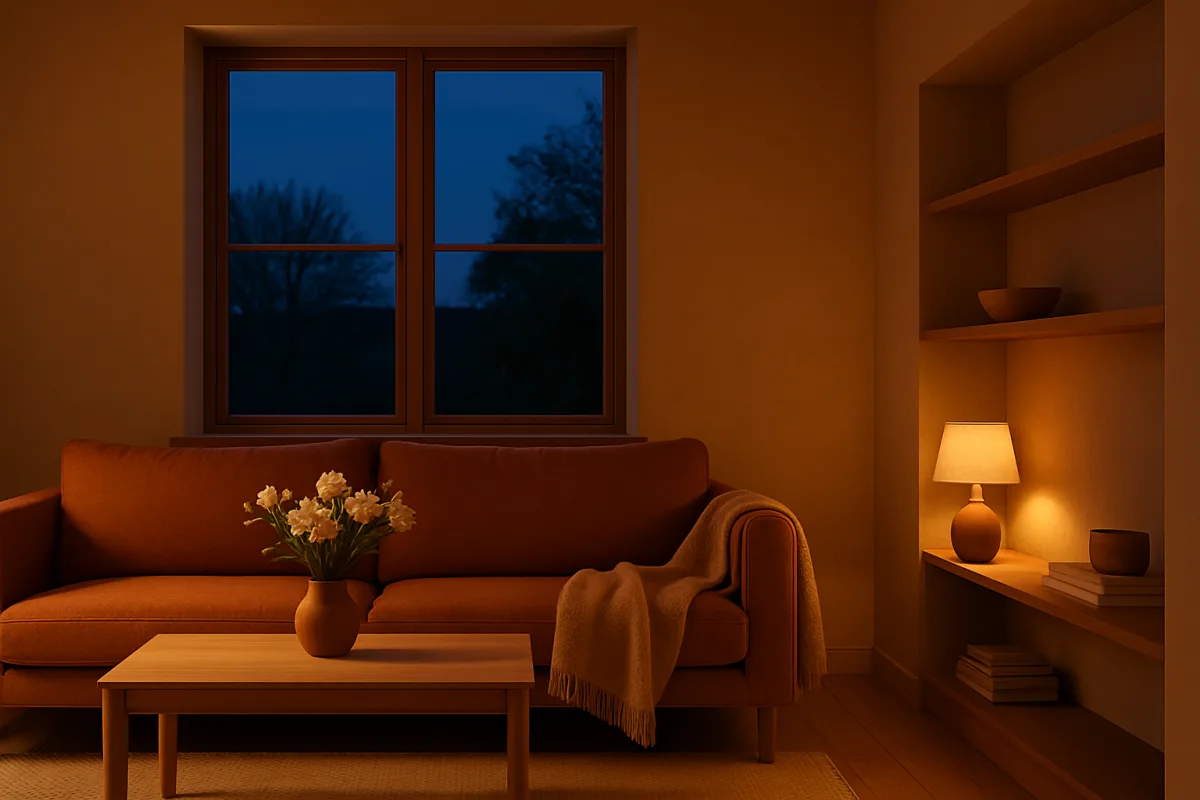
Staging a Home for Sale: A Practical Guide for Sellers
When it comes to attracting buyers, the presentation of your home can make or break a sale. Staging is the art of preparing a property for sale in a way that emphasizes its strengths and minimizes its weaknesses. It involves more than just cleaning and decorating; it requires strategic planning and execution. Below, we’ll walk through the key stages of preparing your home for the market, focusing on the most common challenges sellers face and offering specific, actionable advice grounded in current best practices.
1. Decluttering and Depersonalizing
Challenge: Buyers need to envision themselves in your space, but personal items can hinder that vision.
Solution: Begin by removing personal photographs, trophies, and memorabilia. This step allows potential buyers to imagine their own lives in your home. Aim for a minimalist approach: only keep essential items that add to the home’s appeal. Some experts even suggest that a minimal level of personalization can help create an emotional connection, so consider leaving a few tasteful decor pieces that reflect warmth without being too personal.
A well-staged home should feel inviting and neutral. Aim for an open, airy feel with the least amount of clutter possible.
2. Deep Cleaning
Challenge: A dirty home can deter even the most interested buyer.
Solution: Invest time and perhaps some money into a thorough deep clean. This includes carpets, windows, kitchen appliances, and bathrooms. A clean home creates a strong positive impression, making it easier for buyers to visualize themselves living there. According to a report from Living Spaces, a deep clean can significantly enhance the overall impression a buyer has of your property.
3. Neutralizing Decor
Challenge: Bold or dark colors may turn buyers off, while neutral tones can feel bland.
Solution: While most sources suggest repainting in neutral tones to appeal to a wider audience, recent discussions indicate that strategic use of color can enhance a home's character, especially in urban settings. If your home can benefit from a splash of color, consider well-placed accent walls or vibrant decor that doesn’t overpower the room. Ultimately, prioritize a cohesive look that appeals to the majority while still feeling inviting.
4. Maximizing Natural Light
Challenge: Dimly lit spaces can feel unwelcoming.
Solution: Natural light plays a crucial role in home staging. Use sheer window treatments to allow more light in and consider strategically placing mirrors to reflect light and create the illusion of more space. Bright, well-lit rooms feel larger and more inviting, which can significantly enhance buyer interest.
5. Strategic Furniture Placement
Challenge: Poor furniture arrangement can make spaces feel cramped or disorganized.
Solution: Create inviting pathways by maintaining at least three feet of space between furniture and walls. Avoid pushing all furniture against walls, which can make rooms feel smaller and less inviting. Instead, arrange furniture to create distinct areas within a room, such as a cozy reading nook or a functional workspace. A well-thought-out furniture layout can enhance flow and purpose, making rooms feel more functional and spacious.
6. Enhancing Curb Appeal
Challenge: First impressions matter, and the exterior is the first thing buyers see.
Solution: Invest in curb appeal by maintaining the lawn, trimming hedges, and planting seasonal flowers. This can cost anywhere from a few hundred dollars to thousands depending on the scope of work, but even small improvements can significantly enhance your home’s exterior. A clean walkway, fresh paint on the front door, and well-maintained outdoor furniture can all make a positive first impression.
7. Adding Natural Elements
Challenge: Homes can feel sterile without warmth.
Solution: Incorporating natural elements like plants can add warmth and life to your home. Consider using potted plants or fresh flowers strategically placed throughout your space. Not only do they look appealing, but they also improve air quality, creating a fresher atmosphere that buyers will appreciate.
8. Thoughtful Lighting
Challenge: Poor lighting can obscure a home's best features.
Solution: Lighting can shape the mood of a space and highlight its best attributes. Use a combination of ambient, task, and accent lighting to create a warm and inviting atmosphere. Swap out harsh fluorescent bulbs for soft white or LED options, and consider adding dimmers to adjust lighting based on the time of day or mood.
9. Avoiding Common Staging Mistakes
Challenge: Many sellers inadvertently sabotage their home’s appeal.
Solution: Be aware of common mistakes, such as overpersonalizing your space, neglecting curb appeal, or ignoring lighting. Address these areas before listing your home to ensure a smooth sale. For example, a study by Paris Group Realty highlights that failing to enhance curb appeal can significantly impact buyer interest and offers.
10. Seasonal Considerations
Challenge: Different seasons require different staging strategies.
Solution: Tailor your staging approach to the current season. In spring, emphasize outdoor spaces and gardens; in fall, create a cozy atmosphere with warm colors and comfortable seating. Seasonal decor can make your home feel timely and inviting, resonating with buyers as they envision themselves in the space.
11. Professional Staging vs. DIY
Challenge: Deciding whether to hire a professional stager can be daunting.
Solution: While DIY staging saves money, hiring a professional can yield better results, especially in competitive markets. National averages for occupied home staging range from $800 to $2,917, while vacant home staging can cost between $2,500 and $8,000, with prices in urban areas climbing even higher. A professional stager brings experience and an objective eye that can significantly enhance your home's appeal.
Conclusion
Staging your home for sale is a multifaceted process that involves attention to detail and strategic planning. The right approach can make a significant difference in attracting buyers and securing a favorable sale price. While the guidance provided here is general, remember that the specifics can vary depending on your local market, timelines, and individual circumstances. Ultimately, the goal is to create an inviting atmosphere that allows potential buyers to envision their future in your home.
By addressing common challenges head-on and implementing these actionable strategies, you'll be better equipped to present your home in its best light, maximizing interest and potential offers. Always consider consulting with a real estate professional to tailor your staging efforts to your specific situation, as they can provide insights into your local market trends and buyer expectations.
Frequently Asked Questions
What are the best tips for staging a home for sale?
Key tips for staging a home include decluttering and depersonalizing the space to help buyers envision themselves living there. Additionally, deep cleaning the home, maximizing natural light, and enhancing curb appeal are crucial for making a positive impression.
How does staging impact the sale of a home?
Staging can significantly enhance a home's appeal, making it more inviting and easier for potential buyers to visualize themselves in the space. A well-staged home can lead to increased buyer interest and potentially a higher sale price.
What are the key steps in preparing a home for sale?
Preparing a home for sale involves several steps: decluttering and depersonalizing, deep cleaning, neutralizing decor, maximizing natural light, strategically placing furniture, enhancing curb appeal, and adding natural elements. Each of these steps contributes to creating an inviting atmosphere that attracts buyers.
Sources
- What Home Staging Changes Actually Matter? | Home Compass
- 14 Home Staging Tips for a Fast Sale | Living Spaces
- Home Staging Basics: 50 Expert Answers | Staged Interior
- Home Staging Trends That Buyers Love and Respond To
- How Much Does Home Staging Cost? [2025 Data]
- Home Staging Cost Guide: Price Ranges and Budget Tips 2026, LatestCost, Real-Time Price Insights
- Home Staging Cost in 2026: What U.S. Sellers Actually Pay | Lift My Place
- Home Staging Cost - House Staging Cost Report
- How Much Does Home Staging Cost? Averages, Factors, and ROI - LegalClarity
- How much does home staging cost? - Homes.com News
- Common Furniture Layout Mistakes (& How to Fix Them) | Apartment Therapy
- This Common Furniture Layout Mistake Could Be Making Your Living Room Feel Smaller, Designers Warn
- Designers Say the “2-to-1 Rule” Is the Secret to a Perfect Living Room Seating Arrangement
- Living Room Layout Mistakes to Avoid While Decorating | Apartment Therapy
- The Best Living Room Layouts Have These 3 Things in Common | Apartment Therapy
- How Long Does Home Staging Take?, Timeline & Process
- 15 Home Staging Mistakes to Avoid When Selling
- Common Home Showing Mistakes Sellers Make - REMAX Blog
- Home Staging Mistakes: 7 That Kill Your Sale (2026 Guide)
- What Should You Not Do When Staging A House?
- 6 Home Staging Mistakes That Can Sabotage Your Sale
- Avoid These Staging Mistakes - Chicago Real Estate | Camille Canales Group
- Staging Your Home for Showings: Professional Tips & Tricks | Homemove | Homemove
- Staging for Specific Property Types, Urban Staging
- What Are the Staging Differences for a Downtown Condo vs. a Suburban House? - The Staging Place
- Virtual Staging vs Physical Staging Complete ROI Analysis Cost Breakdown for Real Estate Agents 2025 Data | Bibit AI
- Ladue Luxury Home Staging: Proven Seller Strategies
- Seasonal Staging: Preparing Homes for the Winter Market
- Best Season to Sell a Luxury Home in Truckee
- Staging That Sells Luxury Homes in Castle Pines | Guide
- Charlotte Luxury Home Staging 2026 | ROI, Cost & Strategy
Related Articles
What to Include in a Home Sale Listing: Key Details to Add
Learn what to include in a home sale listing to attract buyers with accurate details, features, disclosures, and pricing tips.
Increase Home Value Before Selling
Learn how to increase home value before selling with smart repairs, exterior upgrades, and budgeting tips for the best return on investment.
How to Sell a House Fast: Proven Strategies for Quick Sales
Learn how to sell a house fast with pricing tips, pre-listing inspections, and marketing strategies to close quickly in any market.
What to Do If Your Home Sale Falls Through
Learn what to do if your home sale falls through, including handling earnest money, understanding contingencies, and relisting strategies.